

### Blog Post:
The best hand massager is not always the strongest or most expensive model, it is the one that fits your hand size, pain pattern, daily routine, and safety needs.
If your hands feel stiff after typing, gripping tools, crafting, gaming, cooking, lifting, or managing arthritis discomfort, a hand massager can help reduce tension and support better circulation. But the wrong device can feel bulky, squeeze too hard, miss the right pressure points, or become another unused gadget in a drawer.
This guide gives you a practical way to choose and use a hand massager without guessing. You will learn what features matter, how to build a safe routine, what problems to watch for, and when a simple manual tool may be better than an electric compression unit.
Key Takeaways
- Choose a hand massager based on pressure control, hand fit, heat settings, and your main pain trigger.
- Start with short sessions of 5 to 10 minutes and avoid using strong compression over swelling, numbness, or sharp pain.
- Electric hand massagers are best for full hand relaxation, while manual finger rollers are better for targeted joint stiffness and travel.
- What Is a Hand Massager and Why It Helps
- How to Choose and Use a Hand Massager
- Advanced Analysis and Common Pitfalls
- Final Verdict
- FAQ
What Is a Hand Massager and Why It Helps
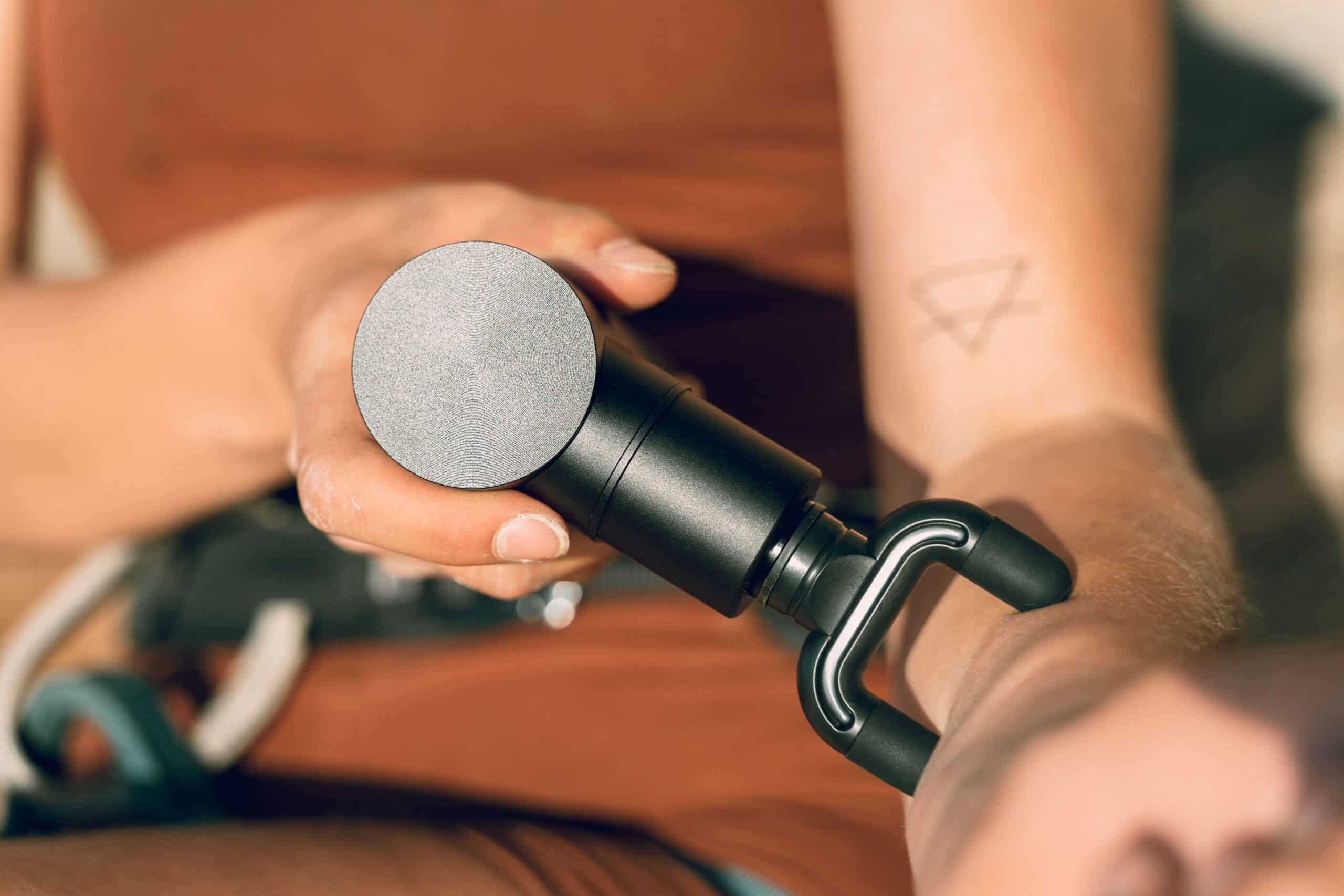
A hand massager is a tool designed to apply pressure, vibration, rolling, kneading, heat, or air compression to the palms, fingers, knuckles, and wrist area. The goal is simple: reduce hand tension, improve comfort, and make stiff hands feel easier to move.

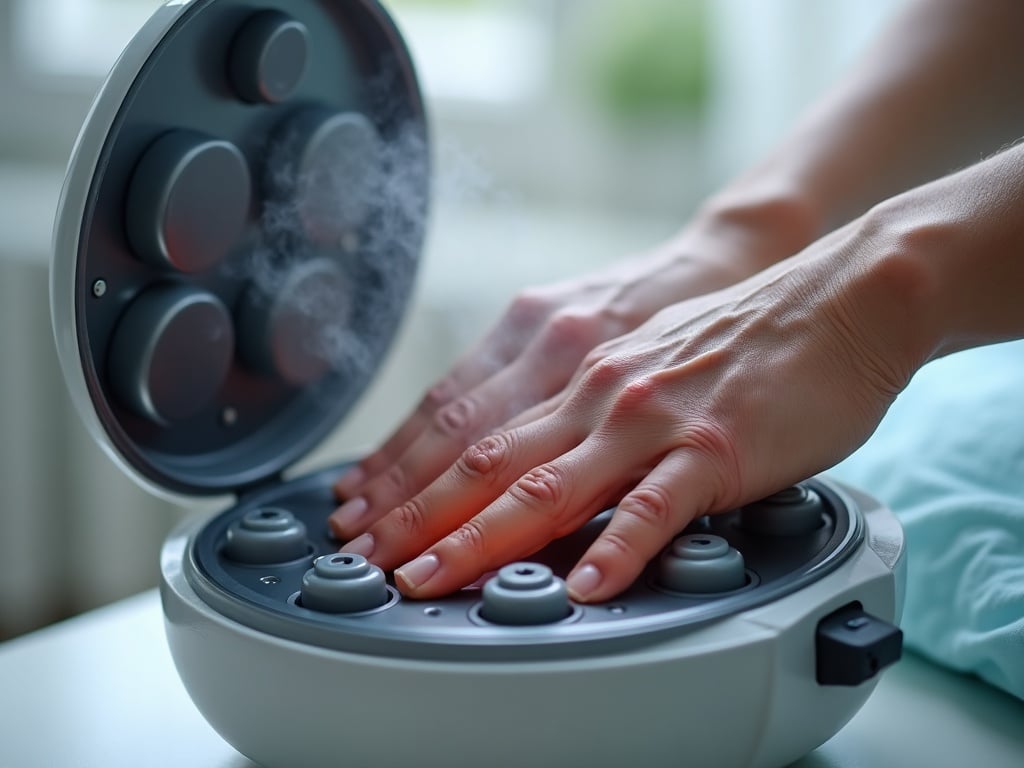
Most electric hand massagers use air compression. Your hand slides into a padded chamber, then the device inflates and releases in cycles. Some models add heat, vibration, or multiple intensity levels. Manual hand tools use rollers, textured surfaces, or trigger point pressure to target smaller areas.
The main reason people buy one is daily hand fatigue. Typing, texting, holding a phone, using kitchen tools, gardening, weight training, and repetitive job tasks can leave the small muscles of the hand feeling tight. A massager can create a predictable recovery ritual at home without needing another person to help.
There is also a comfort benefit for people with arthritis related stiffness. The Arthritis Foundation notes that massage may help some people with arthritis manage pain and stiffness as part of a broader self care plan. This does not mean a hand massager treats arthritis itself. It means it may help with comfort, movement preparation, and relaxation.
Massage may also support short term pain relief for some users. The National Center for Complementary and Integrative Health explains that massage therapy has been studied for several pain conditions, though results vary depending on the condition and method. This is why expectations matter. A hand massager can help you feel better, but it is not a cure for nerve compression, severe inflammation, fractures, or progressive joint disease.
The best use case is mild to moderate stiffness, hand fatigue, grip tension, and recovery after repetitive tasks. If you have sudden swelling, new numbness, loss of strength, severe pain, or symptoms after an injury, speak with a clinician before using compression or heat.
For a broader hand care routine, you can pair a hand massager with gentle mobility work. If you want a practical usage walkthrough, see our guide on hand massager techniques for stiffness and daily relaxation.
How to Choose and Use a Hand Massager
Choosing a hand massager is easier when you start with your exact problem. Do not shop by the highest number of modes. Shop by the type of relief you need, how sensitive your hands are, and whether you need portability.
Step 1: Identify your main hand problem
Write down when your discomfort shows up. Morning stiffness, typing fatigue, thumb base soreness, finger tightness, wrist tension, and post workout grip fatigue all point to different needs.
If your entire hand feels tired, an Electric air compression massager may be useful. If only your fingers feel stiff, a compact roller may be enough. If your pain is around the thumb joint, you need careful pressure control because aggressive compression can irritate sensitive joints.
For targeted finger stiffness, our review of a compact manual roller explains when a manual roller makes more sense than a large electric unit.
Step 2: Choose the right type
There are three common types. Air compression models cover the whole hand. Roller tools target fingers and palms. Vibration devices focus on light stimulation and relaxation.
Air compression is convenient because it does the work for you. The downside is fit. If the chamber is too small, it can squeeze uncomfortably. If it is too large, pressure may feel uneven. Manual tools are cheaper and easier to control, but they require effort and consistency.
Step 3: Check pressure control before heat
Heat sounds attractive, but pressure control matters more. A good device should offer at least three intensity levels. Sensitive hands often need the lowest setting for the first week.
Heat can help stiffness feel better, but it should be gentle. Avoid heat if your hand is swollen, red, or hot to the touch. Heat can make active inflammation feel worse for some people. If you like heat based relaxation for larger muscle groups, you may also find our best contoured heating pad review useful for neck and shoulder tension.
Step 4: Measure your hand fit
Hand fit is one of the most ignored buying factors. Before buying an enclosed electric model, measure the width across your knuckles and the length from wrist crease to middle fingertip. Compare this with the manufacturer sizing information.
If you have large hands, thick fingers, or swollen joints, avoid compact enclosed models unless they clearly support larger hand sizes. A tight chamber may create pressure in the wrong place.
Step 5: Build a safe first week routine
Start with 5 minutes per hand once per day. Use low pressure. Skip heat for the first session if your hands are sensitive. After each session, open and close your fingers slowly 10 times. Then check how your hands feel later in the day.
If you feel looser and no soreness appears, increase to 8 to 10 minutes. If your hand feels achy, bruised, numb, or more swollen, stop and reduce intensity next time. If symptoms continue, do not keep testing the device.
A realistic routine looks like this:
- Days 1 to 3: 5 minutes per hand on low intensity.
- Days 4 to 7: 8 to 10 minutes per hand if there is no irritation.
- After week 1: 10 to 15 minutes per hand, 3 to 5 days per week, based on comfort.
Step 6: Combine massage with mobility
A hand massager works better when followed by gentle movement. Try finger spreads, wrist circles, thumb touches, and slow fist opening. Avoid aggressive stretching when your joints feel irritated.
If you are using massage for post exercise recovery, remember that soft tissue comfort is only one part of recovery. Nutrition, sleep, hydration, and load management matter too. Our guide to the best muscle recovery tools compares massage devices, compression tools, and other recovery options.
Step 7: Clean the device regularly
Hands carry oils, lotions, sweat, and residue. Wipe the inside surface with a soft cloth after use. If the manufacturer allows it, use a mild disinfecting wipe and let the chamber dry fully before storing it.
Do not use heavy creams right before placing your hand into a fabric lined electric massager. Creams can build up, create odor, and shorten the life of the material. If topical pain relief is part of your routine, apply it after the massage session instead. For topical options, compare our guide to the best arthritis gels.
Advanced Analysis and Common Pitfalls
The biggest mistake is assuming more pressure means better relief. Hands have small joints, tendons, nerves, and blood vessels packed into a tight space. Heavy compression may feel intense in the moment, but it can leave sensitive users worse afterward.
Another problem is using a hand massager for the wrong condition. If tingling, numbness, night pain, or weakness is your main issue, you may be dealing with nerve irritation. The Mayo Clinic lists numbness, tingling, and weakness as common carpal tunnel symptoms. A massager may temporarily distract from discomfort, but it will not fix nerve compression.
People with diabetes related neuropathy, reduced sensation, circulation problems, recent surgery, fractures, skin wounds, blood clot risk, or severe inflammatory flares should be cautious. The FDA consumer information on massage devices also reminds users to follow labeling, warnings, and safe use instructions for massage products.
Electric versus manual hand massagers
Use this comparison to choose the device type that matches your real life use, not just the product photos.
| Feature | Electric air compression massager | Manual roller or hand tool | Best choice for |
|---|---|---|---|
| Pressure style | Automated squeeze and release cycles | User controlled rolling or pressing | Electric for passive relaxation, manual for precision |
| Heat | Often included | Usually not included | Electric if mild warmth helps stiffness |
| Portability | Bulkier and needs charging or power | Small and travel friendly | Manual for office, car, or travel use |
| Hand fit | Can be restrictive for large or swollen hands | Works for most hand sizes | Manual if fit is a concern |
| Cost | Usually higher | Usually lower | Manual for budget users |
| Learning curve | Simple, but settings matter | Requires technique and consistency | Electric for ease, manual for control |
Common pitfall 1: Ignoring warning signs
Stop using the device if you feel sharp pain, increased swelling, numbness, burning, bruising, or unusual skin color changes. Mild pressure is normal. Pain that feels alarming is not a sign of progress.
Common pitfall 2: Using heat on active swelling
Warmth can feel good on stiff hands, but it may aggravate swelling. If your hand looks puffy, red, or inflamed, skip heat and speak with a medical professional if symptoms are new or worsening.
Common pitfall 3: Buying a device that does not fit your routine
A large electric unit may be excellent at home, but useless if your hand pain happens at work. A small roller may be less impressive, but easier to use after typing, crafting, or driving. The best product is the one you will actually use correctly.
Common pitfall 4: Expecting permanent results from one session
Most users notice temporary relief first. Lasting improvement usually depends on consistent use, better ergonomics, hand breaks, strength balance, and managing the activity that triggered the discomfort.
If your hand discomfort is part of a wider muscle strain pattern from training or repetitive work, read our guide on how to speed up muscle strain recovery. It explains why recovery depends on load, rest, circulation, and gradual return to activity.
Common pitfall 5: Using massage instead of medical care
A hand massager is a comfort tool. It is not a diagnostic tool. If you have persistent numbness, hand weakness, severe thumb base pain, locking fingers, recent trauma, or symptoms that keep getting worse, get evaluated.

Final Verdict
A good hand massager should make your routine easier, not more complicated. Prioritize adjustable pressure, comfortable fit, simple controls, easy cleaning, and a return policy in case the chamber shape does not match your hand.
If you want passive full hand relief, choose an electric compression model with low intensity options and gentle heat. If you need precise work on fingers, knuckles, or palm tension, choose a manual roller. If you are sensitive to pressure, start with manual control before moving to an enclosed device.
The best hand massager is the one you can use safely and consistently without increasing pain. Start slow, track your response, and choose based on your hands, not the flashiest feature list. Ready to compare options? Begin with your main pain pattern, then pick the device type that fits your routine.
FAQ
How often should I use a hand massager?
Most people can start with 5 to 10 minutes per hand, once per day, a few days per week. If your hands feel better and not irritated, you can slowly increase frequency. Stop if pain, swelling, or numbness increases.
Are hand massagers good for arthritis?
They may help some people manage stiffness and comfort, especially when used gently. They do not treat the underlying joint disease. If you have swelling, heat, redness, severe pain, or a flare, ask a healthcare professional before using compression or heat.
Is heat important in a hand massager?
Heat can be helpful for mild stiffness, but it is not required. Pressure control and fit are more important. Avoid heat on swollen, inflamed, or recently injured hands unless a clinician says it is safe.
Can a hand massager help carpal tunnel symptoms?
It may temporarily relax surrounding tissue, but it will not correct nerve compression. If you have numbness, tingling, night symptoms, or hand weakness, get medical advice instead of relying only on massage.
Should I choose an electric or manual hand massager?
Choose electric if you want full hand compression with minimal effort. Choose manual if you need targeted finger work, better pressure control, lower cost, or portability. Sensitive users often do better starting with manual tools.
—