
sleep hygiene for sleep apnea can reduce night wakings, improve CPAP comfort, and help you feel more alert during the day, but it works best when it supports medical treatment rather than replacing it.
If you have sleep apnea, better habits alone will not reopen your airway or cure oxygen drops. What they can do is make your sleep more stable, lower triggers that worsen apnea, and make it easier to use CPAP, an oral appliance, weight management, positional therapy, or another plan recommended by your clinician.
This guide gives you a practical routine you can start tonight. It focuses on the habits that matter most for obstructive sleep apnea: consistent timing, airway friendly sleep position, alcohol and meal timing, bedroom setup, nasal comfort, and CPAP adherence.
Key Takeaways
- Sleep hygiene helps sleep apnea by reducing awakenings, improving sleep consistency, and making treatment easier to follow.
- The highest impact habits are a fixed wake time, side sleeping when appropriate, limiting alcohol near bedtime, and improving CPAP comfort.
- If you still snore loudly, wake up choking, feel very sleepy, or have uncontrolled blood pressure, you need medical follow up, not just better bedtime habits.
- What Sleep Hygiene for Sleep Apnea Really Means
- Step by Step Guide to Building an Apnea Friendly Sleep Routine
- Advanced Analysis and Common Pitfalls
- Conclusion
- FAQ
What Sleep Hygiene for Sleep Apnea Really Means
Sleep hygiene means the daily habits and bedroom conditions that help your brain and body sleep on a stable schedule. For sleep apnea, the goal is more specific: reduce airway stress, reduce sleep fragmentation, and support the treatment that keeps your breathing steady.
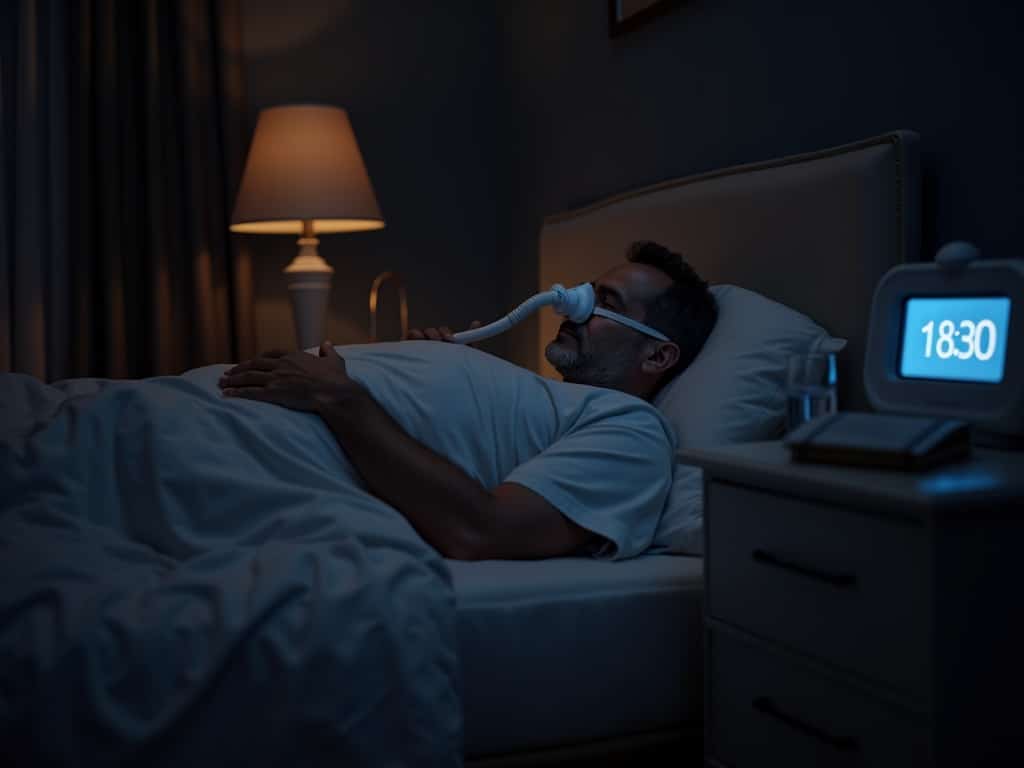
Obstructive sleep apnea happens when the upper airway repeatedly narrows or closes during sleep. This can cause snoring, breathing pauses, oxygen drops, brief awakenings, morning headaches, dry mouth, and daytime sleepiness. The National Heart, Lung, and Blood Institute explains that untreated sleep apnea can raise the risk of high blood pressure, heart problems, stroke, and metabolic issues.
Good sleep hygiene does not replace diagnosis or therapy. If your airway collapses many times per hour, a consistent bedtime will not solve that by itself. But poor habits can make apnea feel worse. Alcohol relaxes airway muscles. Sedatives can reduce arousal response. Heavy late meals can worsen reflux and breathing discomfort. Irregular sleep timing can increase insomnia and make CPAP feel harder to tolerate.
Think of sleep hygiene as the foundation under your treatment. CPAP or another therapy handles the breathing problem. Sleep hygiene helps you stay asleep long enough to benefit from that therapy.
The American Academy of Sleep Medicine notes that effective treatment can improve daytime alertness and quality of life. That improvement is more likely when your sleep schedule, bedroom, and evening routine are consistent enough to let treatment work.
Why sleep apnea needs a different sleep hygiene plan
General sleep hygiene advice often says to relax, avoid screens, and keep the room dark. That helps, but sleep apnea adds extra needs. You may need to manage mask leaks, nasal congestion, mouth breathing, positional triggers, reflux, and frequent awakenings.
For example, a person with insomnia may focus mostly on stimulus control and worry reduction. A person with sleep apnea may also need to check mask fit, clean equipment, elevate the head slightly if reflux is present, or avoid back sleeping if their apnea is positional.
Timing also matters. Your body responds to cues called zeitgebers, especially light, meals, activity, and social schedules. If your sleep window changes constantly, your brain may not build reliable sleep pressure. If this is a major issue for you, read our guide on how to reset circadian rhythm before changing everything at once.
What better sleep hygiene can realistically improve
With consistent habits, many people notice fewer awakenings, less mask frustration, easier sleep onset, and better morning energy. Some also find that they remove obvious triggers like evening alcohol or late heavy meals, which may reduce snoring intensity.
Still, results vary. If your apnea is moderate or severe, sleep hygiene alone is usually not enough. If you have not had a sleep study, or if your symptoms continue despite better habits, ask a qualified sleep clinician about testing and treatment options.
Step by Step Guide to Building an Apnea Friendly Sleep Routine
The best routine is simple enough to repeat when you are tired. Do not try to fix everything in one night. Start with wake time, then evening triggers, then bedroom setup, then treatment comfort.
Step 1: Lock in one wake time
Choose a wake time you can keep most days, including weekends. This is more important than forcing an early bedtime. A stable wake time helps your circadian rhythm predict when sleep should happen the next night.
Get outdoor light within the first hour after waking if possible. Even 10 to 20 minutes can help your body clock. If mornings are dark, use bright indoor light while you eat breakfast or get ready.
Step 2: Build a 60 minute wind down routine
Your wind down should be boring and repeatable. Dim lights. Stop work tasks. Do light stretching, reading, breathing practice, or a warm shower. Keep the same order each night so your brain connects the routine with sleep.
If you use CPAP, include setup in the routine before you feel sleepy. Fill the humidifier if your device uses one. Check the mask seal. Place distilled water and supplies where you can reach them. Waiting until you are exhausted makes skipped therapy more likely.
Step 3: Cut off alcohol and heavy meals early
Alcohol can relax throat muscles and worsen airway collapse. It can also fragment sleep later in the night. If you drink, keep it modest and avoid it within 3 to 4 hours of bedtime. Some people with sleep apnea do better avoiding alcohol completely on work nights.
Heavy meals close to bed can worsen reflux, which can trigger coughing, throat irritation, and more awakenings. Aim to finish large meals at least 3 hours before sleep. If you need a snack, choose something small and simple.
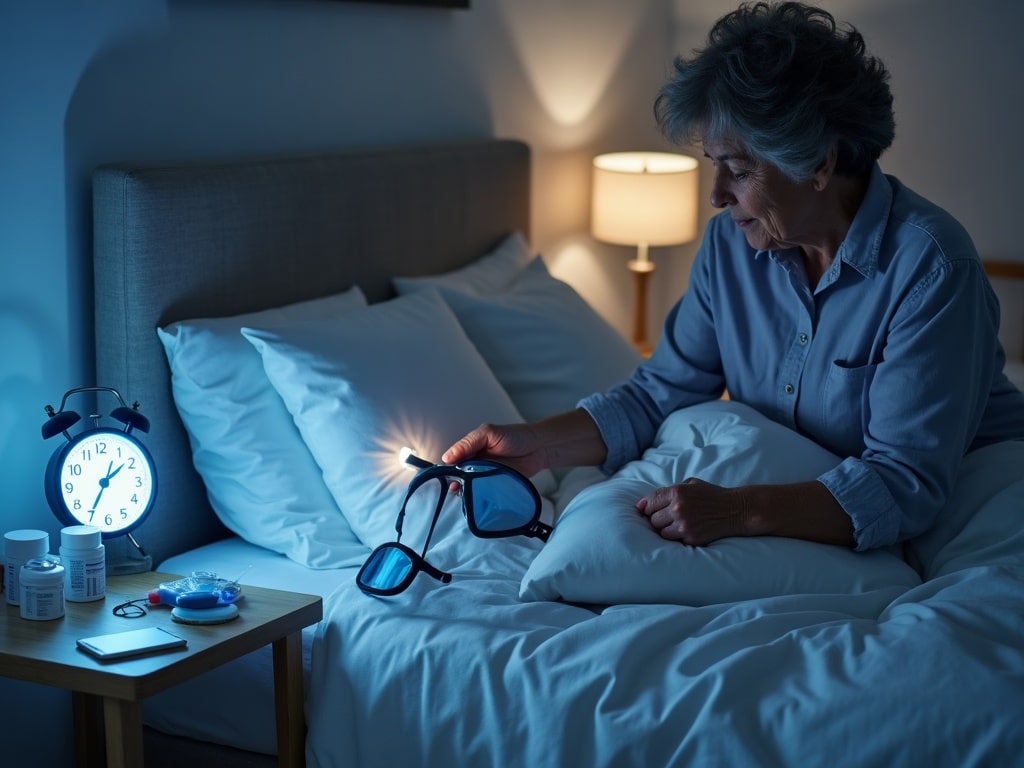
Step 4: Make nasal breathing easier
Nasal congestion can make CPAP feel miserable. It can also increase mouth breathing and dry mouth. Consider a saline rinse, allergy control, humidification, or speaking with a clinician about nasal obstruction if congestion is chronic.
Do not overuse medicated nasal sprays unless your clinician tells you to. Some sprays can cause rebound congestion when used too often. If you wake with dry mouth despite CPAP, ask your sleep provider about mask type, humidifier settings, pressure comfort, or chin support.
Step 5: Use position wisely
Some people have worse apnea on their back. This is called positional sleep apnea. If your sleep study showed this pattern, side sleeping may help. A body pillow, side sleeping backpack, or tennis ball shirt can reduce rolling onto your back.
Do not assume side sleeping cures apnea. For some people it helps a lot. For others it changes very little. If you use CPAP, keep using it unless your clinician says otherwise.
Step 6: Remove sleep disruptors from the bedroom
Your bedroom should be cool, dark, quiet, and easy to breathe in. Many people sleep better around 60 to 67 degrees Fahrenheit, but comfort matters more than a perfect number.
If light wakes you early, consider our blackout curtains review for practical ways to block light without making the room feel stuffy. If noise breaks your sleep, our guide to white noise essentials explains safe volume, placement, and sound options.
Bedding can also affect sleep apnea comfort. A pillow that forces your chin toward your chest may narrow the airway. A comforter that overheats you can increase awakenings. If temperature swings are a problem, see our guide on how to choose a down comforter.
Step 7: Treat insomnia without fighting the bed
Many people with sleep apnea also have insomnia. If you cannot fall asleep after about 20 to 30 minutes, do not lie there fighting. Get up, keep lights low, and do something quiet until sleepy. Then return to bed.
This teaches your brain that bed is for sleep, not frustration. If insomnia is persistent, cognitive behavioral therapy for insomnia is often more effective than sleep hygiene alone. The MedlinePlus insomnia resource gives a clear overview of symptoms, causes, and treatment options.
Step 8: Support recovery, but avoid unsafe sedating shortcuts
Relaxation helps, but be careful with anything that sedates you. Sleep aids, alcohol, cannabis, and some supplements may worsen breathing or reduce your response to oxygen drops. Always ask your clinician before using sedatives if you have sleep apnea.
Some people use magnesium as part of a nighttime routine. If you are curious, our evidence based guide to magnesium for muscle recovery and sleep explains forms, dosing considerations, and when to avoid it. If body tension keeps you awake, gentle movement from yoga for muscle recovery may be safer than relying on sedating products.
Advanced Analysis and Common Pitfalls
Sleep apnea routines often fail for practical reasons, not because the person lacks discipline. The most common problems are mask discomfort, inconsistent schedules, unrealistic goals, and treating sleep hygiene like a cure.
Pitfall 1: Trying to fix sleep apnea with habits only
If you have loud snoring, witnessed pauses in breathing, gasping, morning headaches, or severe daytime sleepiness, you need medical evaluation. Sleep hygiene can help symptoms, but it cannot measure your oxygen levels or apnea events.
The CDC sleep guidance explains that adults generally need at least 7 hours of sleep, but sleep quantity is not the whole story. With untreated apnea, you can spend enough hours in bed and still wake exhausted because breathing interruptions keep breaking sleep.
Pitfall 2: Giving up on CPAP too early
Many people quit CPAP because the first mask or pressure setting feels wrong. That does not mean CPAP cannot work. It may mean the mask type, size, humidity, ramp setting, tube position, or pressure comfort needs adjustment.
Track the exact problem. Is air leaking into your eyes? Is your mouth dry? Do you feel bloated? Does the mask press on your nose? Bring those details to your sleep provider or durable medical equipment team. Specific complaints are easier to fix than “I hate CPAP.”
Pitfall 3: Sleeping in on weekends
Sleeping late can feel like recovery, but it often delays your body clock. Then Sunday night becomes harder, Monday feels worse, and the cycle continues. If you need extra rest, keep your wake time within about one hour of normal and use a short early afternoon nap if your clinician agrees.
Naps can be helpful, but long or late naps may make bedtime harder. If you use CPAP at night, ask whether you should also use it during naps.
Pitfall 4: Ignoring weight, reflux, and nasal obstruction
Sleep apnea is not always caused by weight. Thin people can have it too. Still, body weight, neck anatomy, nasal obstruction, alcohol use, smoking, and reflux can all influence symptoms. A complete plan looks at the whole airway and the whole night.
If reflux wakes you, avoid late meals, elevate the head of the bed slightly if appropriate, and discuss treatment with your clinician. If nasal obstruction is constant, do not just raise CPAP pressure on your own. Get evaluated.
Pitfall 5: Buying sleep products before fixing basics
Better bedding, sound machines, and relaxation tools can help, but they cannot replace consistent timing, apnea treatment, and trigger control. Buy products after you know the problem you are solving.
For example, a weighted blanket may help restlessness for some people, but it may feel too warm or restrictive for others. If you are considering one, review our weighted blanket guide for deep sleep and choose cautiously if you have breathing discomfort, mobility issues, or claustrophobia.
| Problem | Likely Cause | Practical Fix | When to Get Help |
|---|---|---|---|
| Waking with dry mouth | Mouth leak, low humidity, nasal congestion | Check mask fit, adjust humidity with guidance, treat congestion | If dryness persists or CPAP data shows large leaks |
| Still sleepy after 7 to 8 hours | Untreated apnea, poor CPAP use, other sleep disorder | Review CPAP hours, sleep schedule, caffeine timing | If sleepiness affects driving, work, or mood |
| Mask feels claustrophobic | Poor mask match or anxiety response | Practice wearing mask while awake, try nasal pillows if appropriate | If panic symptoms continue |
| Snoring returns | Mask leak, alcohol, weight change, back sleeping | Check seal, avoid alcohol near bed, use side sleeping if advised | If bed partner notices pauses or gasping |
| Bedtime keeps drifting later | Weak morning light, late screens, irregular wake time | Fixed wake time, morning light, dim evening lighting | If delayed sleep pattern lasts more than several weeks |
How to measure progress without obsessing
Use a simple 2 week log. Track bedtime, wake time, alcohol timing, CPAP use, awakenings, morning energy, and daytime sleepiness. If your CPAP device provides data, look at use time and leak trends, but do not panic over one bad night.
Progress may look boring: fewer skipped CPAP nights, fewer late meals, a steadier wake time, and less morning fog. Those small changes matter because sleep apnea treatment depends on repetition.
Do not chase perfect sleep. Perfection creates pressure, and pressure worsens insomnia. Aim for a reliable routine that works 80 percent of the time.

Conclusion
Better sleep with sleep apnea comes from combining medical treatment with repeatable habits. Start with a stable wake time, morning light, a simple wind down routine, earlier alcohol and meal cutoffs, nasal comfort, and a bedroom that stays cool, dark, and quiet.
If CPAP is part of your plan, make comfort a priority. Mask leaks, dry mouth, pressure discomfort, and anxiety are fixable problems for many people, but they need specific adjustments. Do not quit without asking for help.
The most realistic goal of sleep hygiene for sleep apnea is not perfect sleep. It is steadier sleep, better treatment follow through, and fewer preventable triggers. Choose one habit from this guide, apply it for 7 nights, and track what changes.
FAQ
Can sleep hygiene cure sleep apnea?
No. Sleep hygiene can improve sleep quality and reduce some triggers, but it usually cannot cure obstructive sleep apnea. CPAP, oral appliances, weight management, positional therapy, surgery, or other treatments may be needed depending on your diagnosis.
What is the best sleeping position for sleep apnea?
Side sleeping helps some people, especially if their apnea is worse on their back. It does not help everyone. A sleep study can show whether your apnea is positional. If you use CPAP, do not stop using it just because you switch positions.
Does alcohol make sleep apnea worse?
Alcohol can worsen sleep apnea by relaxing the muscles around the airway and increasing sleep disruption. If you drink, avoid alcohol within 3 to 4 hours of bedtime and watch whether snoring, choking, or morning fatigue gets worse.
Why do I still feel tired after using CPAP?
Common reasons include mask leaks, not using CPAP for the full sleep period, insufficient sleep time, insomnia, periodic limb movements, medication effects, or another health issue. Review your CPAP data and symptoms with your sleep provider.
Is white noise safe for people with sleep apnea?
White noise can help if household noise wakes you, but it does not treat breathing pauses. Keep the volume comfortable and low enough that important alarms can still be heard. If noise sensitivity is severe, also check for insomnia or anxiety patterns.