


tart cherry juice for muscle recovery can help reduce soreness, support strength recovery, and make hard training weeks feel more manageable when you use it with the right dose and timing.
It is not a magic drink. It will not repair a serious strain overnight, replace protein, or fix poor sleep. But tart cherry juice is one of the more practical recovery drinks because it contains anthocyanins, polyphenols, and naturally occurring melatonin compounds that may help with inflammation, oxidative stress, and sleep quality.
This guide shows you exactly how to use it, when it works best, when it is not worth it, and how to avoid the common mistakes that make people think it does nothing.
Key Takeaways
- Tart cherry juice works best when taken consistently for several days before and after hard workouts, races, or heavy lifting blocks.
- The usual practical dose is 8 to 12 ounces of tart cherry juice once or twice daily, or a concentrated shot if you want less sugar and volume.
- It supports recovery, but it should be paired with protein, hydration, sleep, mobility work, and smart training load.
- What Tart Cherry Juice Does for Muscle Recovery
- Step by Step Guide to Using Tart Cherry Juice
- Advanced Analysis and Common Pitfalls
- Conclusion
- FAQ
What Tart Cherry Juice Does for Muscle Recovery
Tart cherry juice is made from sour cherries, most often Montmorency cherries. These cherries are rich in anthocyanins, the red and purple plant compounds linked with antioxidant and inflammation supporting effects. After intense exercise, your muscles experience microscopic damage, temporary inflammation, and oxidative stress. That process is normal, but when it is excessive, you feel more soreness, reduced strength, stiffness, and slower performance recovery.
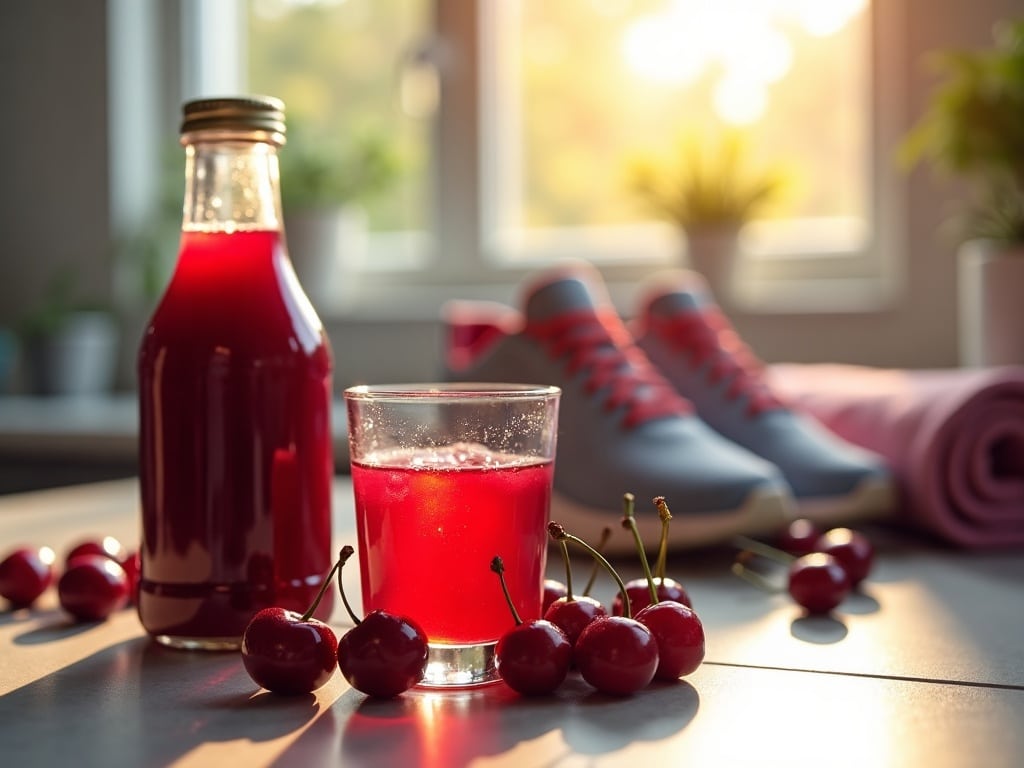
The main reason people use tart cherry juice is to reduce delayed onset muscle soreness, often called DOMS. DOMS usually peaks 24 to 72 hours after hard training, especially after downhill running, heavy eccentric lifting, high volume leg days, or returning to exercise after time off. Tart cherry juice may help by reducing exercise related inflammation markers and helping your body manage oxidative stress.
Some research supports this. A study published in the Journal of the International Society of Sports Nutrition found that tart cherry juice helped reduce pain after long distance running. Another review on tart cherry supplementation and exercise recovery reported potential benefits for soreness, strength recovery, and inflammation markers, though results can vary based on dose, exercise type, and timing.
The best fit is not casual daily soreness from sitting too long. Tart cherry juice is more useful when your body is under clear recovery demand. Examples include marathon training, CrossFit style workouts, heavy squats, intense cycling blocks, soccer tournaments, basketball games, and multi day hiking trips.
It may also help indirectly through sleep. Tart cherries contain small amounts of naturally occurring melatonin and other compounds that may support sleep quality. A small study on tart cherry juice and sleep found improvements in sleep measures in older adults with insomnia. Better sleep matters because growth hormone release, tissue repair, nervous system recovery, and pain tolerance are strongly influenced by sleep quality.
Still, keep expectations realistic. Tart cherry juice is a support tool, not the foundation. If you are under eating protein, dehydrated, sleeping five hours, or training through sharp pain, juice will not solve the real problem. If you are dealing with a strain or possible tear, start with a recovery plan like this guide on how to speed up muscle strain recovery before adding any supplement or recovery drink.
Step by Step Guide to Using Tart Cherry Juice
The biggest mistake is drinking tart cherry juice once after a brutal workout and expecting soreness to disappear. The better approach is to use it like a short recovery protocol around high stress training. Here is a practical plan.
Step 1: Choose the right form
You have three common options. Regular tart cherry juice is easy to find and simple to use, but it can contain a lot of natural sugar. tart cherry juice concentrate is stronger, smaller in volume, and usually more cost effective. Capsules or powder are convenient, but quality varies more, and some products do not list useful polyphenol content.
For most people, juice or concentrate is the easiest starting point. Look for products labeled tart cherry or Montmorency tart cherry. Avoid blends where apple juice, grape juice, or sweeteners make up most of the bottle. The label should make it clear that tart cherry is the main ingredient.
Step 2: Use the right dose
A common practical dose is 8 to 12 ounces of tart cherry juice once or twice per day. If using concentrate, follow the label, since many products suggest 1 to 2 tablespoons mixed with water. Athletes often use one serving in the morning and one serving in the evening during hard recovery windows.
If you are new to it, start with one serving per day for a few days. Some people get stomach discomfort or loose stools when they drink too much too quickly. That is especially true with concentrate.
Step 3: Time it around your hardest sessions
The most useful timing is before and after heavy effort. If you have a race on Saturday, start tart cherry juice on Wednesday or Thursday and continue through Sunday or Monday. If you lift hard on Monday and Thursday, use it the evening before, the day of training, and the day after.
For general soreness, an evening serving can be useful because it fits naturally into a sleep routine. Avoid chugging large amounts right before bed if it makes you wake up to use the bathroom.

Step 4: Pair it with protein and carbohydrates
Tart cherry juice does not provide enough protein to rebuild muscle. After training, your body still needs amino acids. A good recovery meal includes 20 to 40 grams of protein plus carbohydrates, especially after endurance training or high volume lifting.
If you need a simple post workout drink, pair tart cherry juice with a protein source. You can mix tart cherry juice into a smoothie with Greek yogurt or take it alongside a shake. For more guidance, read this guide to protein powder for muscle recovery.
Step 5: Track soreness and performance
Do not rely on guesswork. For two weeks, rate your soreness each morning from 1 to 10. Also track sleep quality, training performance, and stiffness during warmups. If tart cherry juice is helping, you may notice slightly less soreness, better movement, or less drop off in performance during repeated hard sessions.
If you see no change after several properly timed trials, it may not be worth the cost for you. Recovery tools should earn their place.
Step 6: Combine it with other recovery basics
Tart cherry juice works better inside a complete recovery system. Hydrate well, eat enough calories, sleep 7 to 9 hours when possible, and use light movement on rest days. If soreness is local and knot like, self massage can help. A simple tool like a massage ball may be useful, and this guide explains massage ball muscle relief in a beginner friendly way.
magnesium for muscle recovery may also support sleep and muscle function for some people. It is not a direct soreness cure, but it can fit into an evening recovery routine. Learn more in this guide to magnesium for muscle recovery.
Advanced Analysis and Common Pitfalls
Tart cherry juice looks simple, but the details matter. The wrong product, dose, timing, or expectation can make it feel useless. Here are the main issues to watch.
Pitfall 1: Using it after every workout
Inflammation is not always bad. Some inflammation is part of the adaptation process that helps you get stronger. For normal training days, you may not need tart cherry juice. It makes more sense during unusually hard sessions, competition weeks, or when you must perform again before you feel fully recovered.
If your goal is maximum muscle growth, avoid overusing high antioxidant recovery strategies around every lifting session. The research is still mixed, but it is smart to use tart cherry juice strategically rather than constantly.
Pitfall 2: Ignoring sugar and calories
Plain tart cherry juice has natural sugar. That is not automatically bad, especially after hard training when carbohydrates help replenish glycogen. But if you drink 16 to 24 ounces daily without adjusting your diet, calories can add up quickly.
People with diabetes, blood sugar concerns, or weight loss goals should be more careful. A concentrate diluted in water may give you a smaller serving, but it still contains sugar. If you take medication for blood sugar or blood thinning, ask your clinician before using large amounts regularly.
Pitfall 3: Confusing soreness with injury
Normal soreness feels dull, stiff, and symmetrical after training. Injury pain is often sharp, sudden, one sided, swollen, or linked with weakness and loss of function. Tart cherry juice may help soreness, but it is not a treatment for a muscle tear.
If you felt a pop, have bruising, or cannot load the muscle normally, review realistic timelines in this guide to muscle tear recovery time and get medical evaluation when needed.
Pitfall 4: Expecting instant pain relief
Tart cherry juice is not like a pain gel or a massage device. It works gradually, if it works for you at all. You are looking for a moderate reduction in soreness and a smoother return to performance, not numbness or instant comfort.
If your main issue is localized back tightness after training, a recovery drink alone is too limited. You may need mobility work, heat, gentle walking, and possibly tools like a back massager. This article on back pain relief gives practical steps for using one safely.
Pitfall 5: Buying low quality blends
Some bottles look healthy but are mostly sweet fruit blends. Check the ingredient list. A good tart cherry product should not hide behind vague terms like fruit juice blend. If the first ingredient is apple juice, you are probably paying for flavored sugar water.
| Option | Best For | Main Benefit | Main Downside |
|---|---|---|---|
| Regular tart cherry juice | Beginners and casual athletes | Easy to use and widely available | Higher volume and more sugar per serving |
| Tart cherry concentrate | Frequent training and travel | Smaller serving size and stronger flavor | Easy to overuse and may upset the stomach |
| Capsules | People avoiding juice | No liquid sugar and convenient | Quality and active compound levels vary |
| Whole tart cherries | Food first approach | Fiber and whole food nutrients | Harder to dose consistently |
There is also a bigger recovery question: what are you trying to improve? If your soreness comes from under recovery, tart cherry juice may help. If your soreness comes from poor programming, too much volume, weak sleep, or training through pain, fix those first. A broader guide to muscle recovery supplements can help you compare options without stacking random products.
For heat based recovery, some athletes also use sauna sessions to improve relaxation and circulation. It is not a replacement for nutrition, but it can be useful when applied correctly. See this guide to infrared sauna for muscle recovery if you want to compare approaches.
Finally, understand that research is promising but not perfect. Sample sizes are often small, protocols vary, and not every athlete responds the same way. The National Library of Medicine includes recent reviews showing that polyphenol rich foods may support exercise recovery, but the effect depends on dose, duration, and training context.

Conclusion
Tart cherry juice can be a useful recovery tool when you use it with a plan. Choose a real tart cherry product, take a sensible dose, start before your hardest training, and continue for a few days after. Track how you feel instead of assuming it works.
It is most helpful for hard workouts, races, tournaments, and training blocks where soreness and strength loss affect your next session. It is less useful when the real issue is injury, poor sleep, low protein intake, or bad training structure.
If you want a simple place to start, use one serving in the evening for 4 to 7 days around your next demanding training block. Pair it with protein, hydration, and sleep. Then decide if tart cherry juice for muscle recovery deserves a regular spot in your routine. Start with one planned week and track your results today.
FAQ
How much tart cherry juice should I drink for muscle recovery?
Most people start with 8 to 12 ounces once daily. For hard races or intense training blocks, some use 8 to 12 ounces twice daily for several days before and after the event. If using concentrate, follow the product label and start with the lower serving.
When is the best time to drink tart cherry juice after a workout?
After training is fine, especially with a meal or protein shake. For best results, also consider taking it before hard sessions for several days. Evening use may be helpful if you want to include it in a sleep focused recovery routine.
Does tart cherry juice help with muscle soreness?
It may help reduce delayed onset muscle soreness for some people, especially after intense endurance exercise or heavy lifting. The effect is usually moderate. It should not be expected to erase soreness completely.
Can I drink tart cherry juice every day?
You can, but it may not be necessary. Daily use adds sugar and calories, and strategic use around hard training is usually more practical. People with blood sugar concerns or medication interactions should speak with a healthcare professional before regular high intake.
Is tart cherry juice better than protein for recovery?
No. Protein provides amino acids needed for muscle repair. Tart cherry juice may support soreness reduction and recovery through polyphenols, but it does not replace protein. The best approach is to use both when appropriate.