


infrared sauna for muscle recovery can speed relief from soreness, reduce stiffness and improve circulation when used correctly.
Key Takeaways
- Infrared sauna sessions at moderate temperature plus hydration and light movement improve blood flow and reduce muscle tightness.
- Use short consistent sessions, combine with nutrition and topical magnesium, and avoid overheating or using after severe acute injuries.
- Expect modest benefits for recovery speed. Infrared is an adjunct not a replacement for rehab or medical care.
The Core Concept
Infrared saunas use light to produce deep tissue warming that raises muscle temperature, increases blood flow and encourages metabolic activity in soft tissue. That is why athletes and weekend warriors choose an infrared sauna for muscle recovery as part of their routine.
The mechanism is simple. Infrared wavelengths penetrate skin to warm muscle and fascia directly rather than heating air. Higher tissue temperature relaxes muscle, improves flexibility and may speed removal of metabolic waste. Benefits are most consistent for mild to moderate soreness and stiffness after workouts.
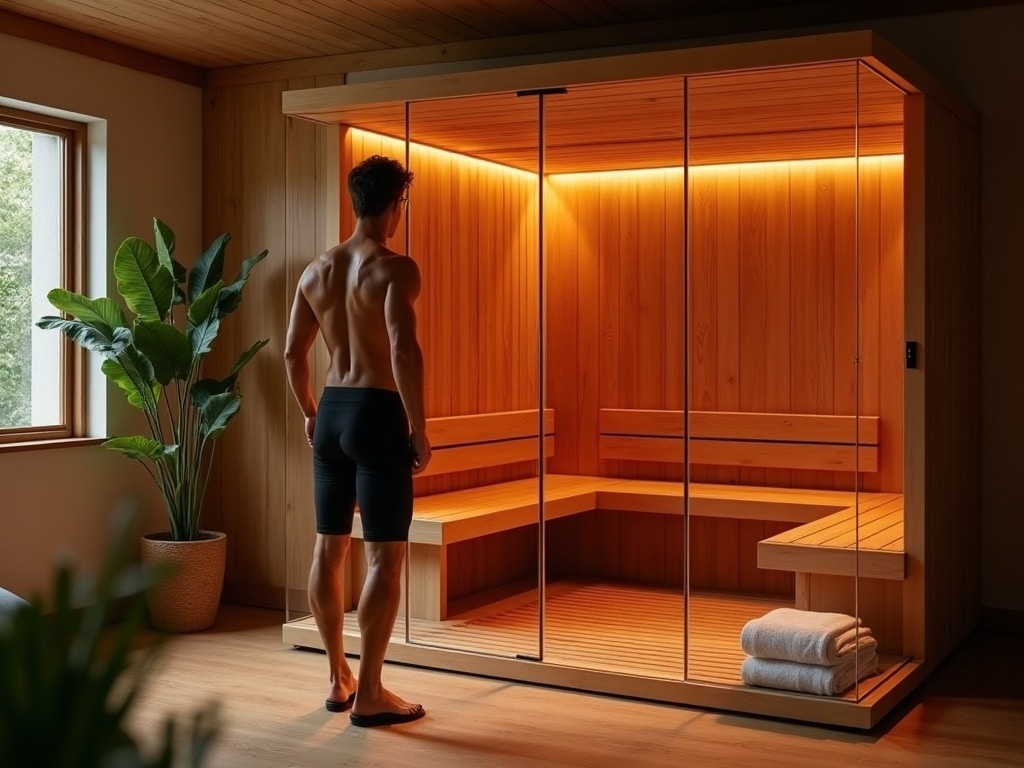
Keep expectations realistic. Infrared sessions help symptoms and circulation but will not repair severe tears or replace progressive rehab for strains. Use infrared as a recovery tool alongside targeted exercise, proper sleep and nutrition.
For targeted topical support consider magnesium approaches discussed in this guide magnesium for muscle recovery. For ideas on integrating simple self care tools see the MASSAGE BALL guide.
Step by Step Guide
This section lays out a repeatable protocol. Read all steps before your first session and adapt if you have medical concerns.
- Check readiness. If you have cardiovascular disease, are pregnant, have uncontrolled blood pressure or active deep tissue tears consult a clinician before using an infrared sauna.
- Hydrate. Drink 16 to 24 ounces of water 30 to 60 minutes before the session. Add electrolytes if you sweat heavily.
- Temperature and time. Start at 110 to 120 degrees Fahrenheit for 15 to 20 minutes. If you tolerate that consistently extend to 25 to 30 minutes. Extreme temperatures are not necessary for recovery and increase risk of dehydration.
- Session timing. Best windows are within two hours after light exercise or late afternoon for daily integration. Avoid immediately after maximal effort if you have severe soreness because inflammation may still be high.
- Movement inside. Perform slow mobility drills for 3 to 7 minutes mid session targeting the area you want to loosen. This boosts blood flow and increases warmth in targeted tissue.
- Post session cool down. Rehydrate, perform light stretching and apply topical magnesium if you use it. Cold plunge is optional but keep it brief; extreme cold right after an infrared session can blunt some circulation gains.
- Frequency plan. For maintenance two to four sessions weekly is common. For active recovery after heavy training increase to five times weekly for a short block if tolerated.
- Combine with nutrition. Consume a balanced protein rich snack within an hour post session to support muscle repair. See comparative guidance in protein powder for muscle recovery.
Integration examples
- Light workout day: 20 minute sauna with 5 minute mobility then protein snack
- Heavy training day: short 15 minute sauna the following day plus topical magnesium and gentle foam rolling per the MASSAGE BALL guide

Safety signals to stop the session include dizziness, nausea, headache or irregular heartbeat. Sit down and cool slowly. If symptoms persist seek immediate care.
To supplement recovery consider pairing infrared with other modalities. A short red light session can target cellular recovery pathways. Read practical tips in RED LIGHT secrets. Use topical magnesium or supplements referenced in our muscle recovery supplements guide when appropriate.
Advanced Analysis and Common Pitfalls
Infrared saunas are generally safe but effectiveness and risks depend on use. Below are common problems and realistic limitations.
- Overheating and dehydration. Long sessions without electrolytes increase risk of heat illness. Monitor urine color and body weight around heavy training days.
- Misplaced expectations. Infrared reduces soreness but does not fix structural damage. Acute tears and severe inflammation need medical evaluation and structured rehab.
- Timing mistakes. Using the sauna immediately after a traumatic injury can worsen inflammation. Wait until acute severe pain and swelling decrease.
- Device variability. Home units differ in wavelength output and build quality. Commercial infrared that specifies near and far infrared bands offers more consistent results.
- Medication interactions. Some medications affect heat tolerance. Check with your healthcare provider if you take blood pressure or heart rate affecting drugs.
| Modality | Primary effect | Best for | Limitations |
|---|---|---|---|
| Infrared sauna | Deep tissue warming, increased perfusion | Post workout soreness and stiffness | Not a replacement for rehab, variable device quality |
| Traditional sauna | High ambient heat, systemic sweating | Cardiovascular conditioning and relaxation | Can be harsher for heat sensitive users |
| Red light therapy | Cellular signaling, mitochondrial support | Local tissue recovery and inflammation control | Requires proper dosing and device proximity |
Real world users often try to maximize everything at once. That increases risk and cost without clear added recovery. A simple plan with moderate heat, consistent sessions and good nutrition wins over sporadic extreme use.
If pain persists beyond expected timelines check resources like how to speed up muscle strain recovery and the pulled back muscle recovery guide pulled lower back muscle recovery time for staged rehab advice.
Conclusion
Infrared sauna sessions provide reliable improvement in muscle warmth, flexibility and perceived soreness when used safely. They are best as part of a system that includes hydration, mobility work and proper nutrition.
Use the protocol above, monitor your response, and avoid overheating. For topical or supplemental strategies pair infrared with magnesium routines from magnesium for muscle recovery and evidence based supplements from our muscle recovery supplements guide. If you want a simple next step try two 20 minute sessions weekly for three weeks and track soreness change.
To recap this article focused on infrared sauna for muscle recovery and gave a clear step by step routine plus safety checks. Ready to try it. Book your first session this week and track one recovery metric such as morning stiffness or mobility.
FAQ
How soon after a workout can I use an infrared sauna?
Generally within two hours after light to moderate workouts. Wait longer after very intense or traumatic sessions because active inflammation may be present. If in doubt use the sauna the next day.
Can infrared saunas heal muscle tears?
No. Infrared can help symptoms and circulation but cannot replace medical evaluation for muscle tears. Severe or worsening pain requires professional care.
How long should each session be?
Start with 15 to 20 minutes at a moderate temperature. Increase to 25 or 30 minutes only if you tolerate earlier sessions well and remain hydrated.
Are there risks for people with heart conditions?
Yes. Anyone with cardiovascular disease, unstable blood pressure or on certain medications should consult their clinician before using infrared saunas.
What should I pair with sauna sessions for best results?
Hydration, light mobility, post session protein and targeted topical magnesium are effective complements. See our guides on protein powder for muscle recovery and magnesium for muscle recovery for specifics.
—