

### Blog Post:
strained groin muscle recovery starts with knowing whether you are dealing with a mild pull, a deeper adductor strain, or a possible tear that needs medical assessment.
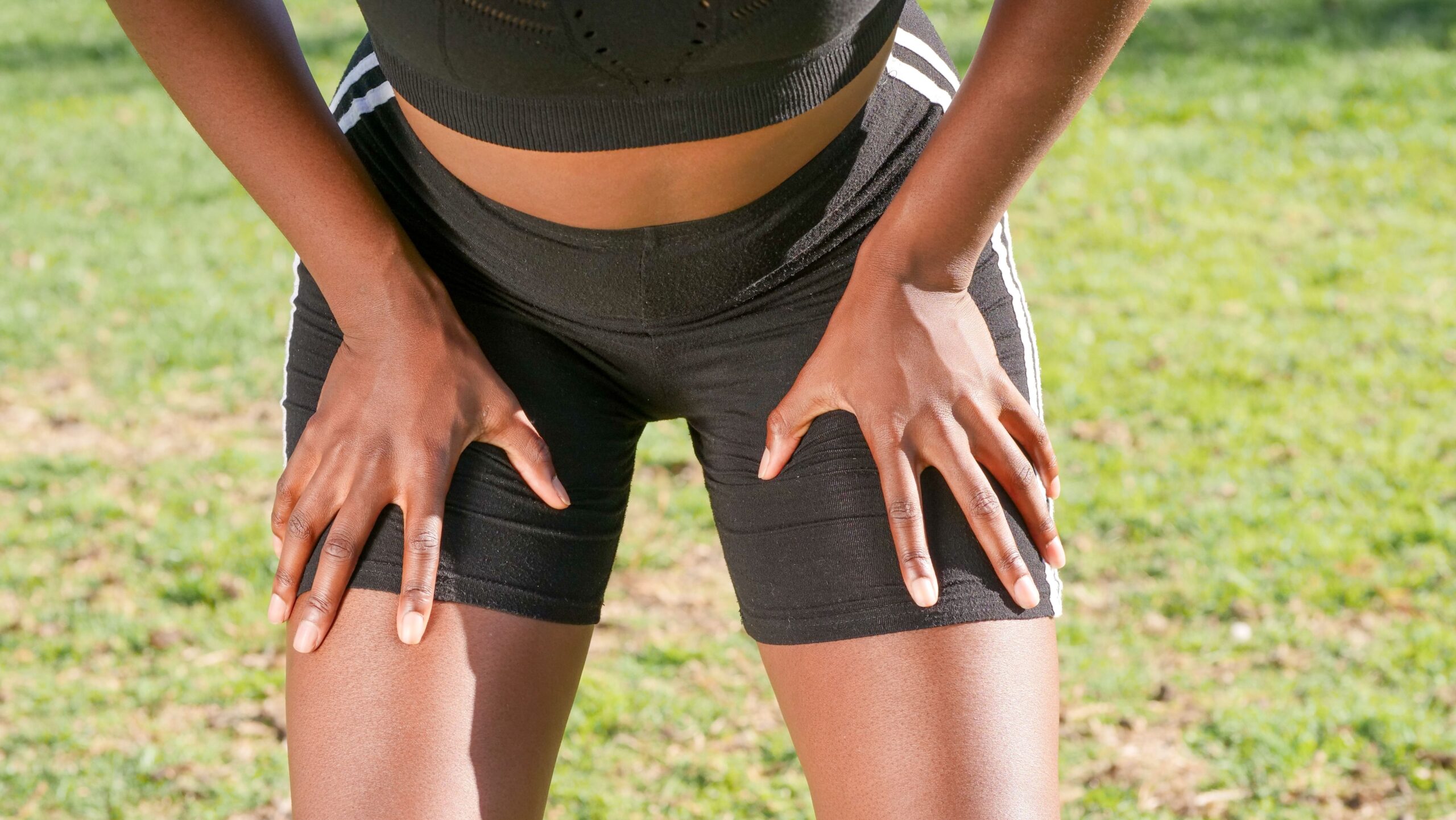
A groin strain usually affects the adductor muscles on the inner thigh. These muscles help pull the leg toward the midline, stabilize the pelvis, change direction, sprint, kick, squat, and get in or out of a car. When the tissue is overloaded, small fibers can stretch or tear. The result is pain near the inner thigh, pubic area, or high groin.
This guide gives you a realistic recovery plan, not a promise that pain will disappear overnight. You will learn how long healing usually takes, what to do in each phase, which mistakes delay recovery, and when to stop guessing and get checked.
Key Takeaways
- Most mild groin strains improve in 1 to 3 weeks, while moderate strains often need 4 to 8 weeks of structured rehab.
- Rest alone is not enough. Recovery needs pain control, gradual loading, hip strength, mobility, and a careful return to sport.
- Sharp pain, bruising, swelling, limping, testicular pain, abdominal pain, or pain that does not improve should be assessed by a clinician.
- What Is a Strained Groin Muscle and Why Recovery Takes Time
- Step by Step Strained Groin Muscle Recovery Plan
- Advanced Analysis, Recovery Timeline, and Common Pitfalls
- Conclusion
- FAQ
What Is a Strained Groin Muscle and Why Recovery Takes Time
A strained groin muscle is an injury to one or more of the inner thigh adductor muscles, most often the adductor longus. It happens when the muscle is stretched too far, contracts too forcefully, or is asked to stabilize the pelvis during a fast movement before it is ready. This is common in soccer, hockey, tennis, running, martial arts, weight training, and sudden slips. Recovery takes time because the tissue must calm down, repair, remodel, and then tolerate speed again.
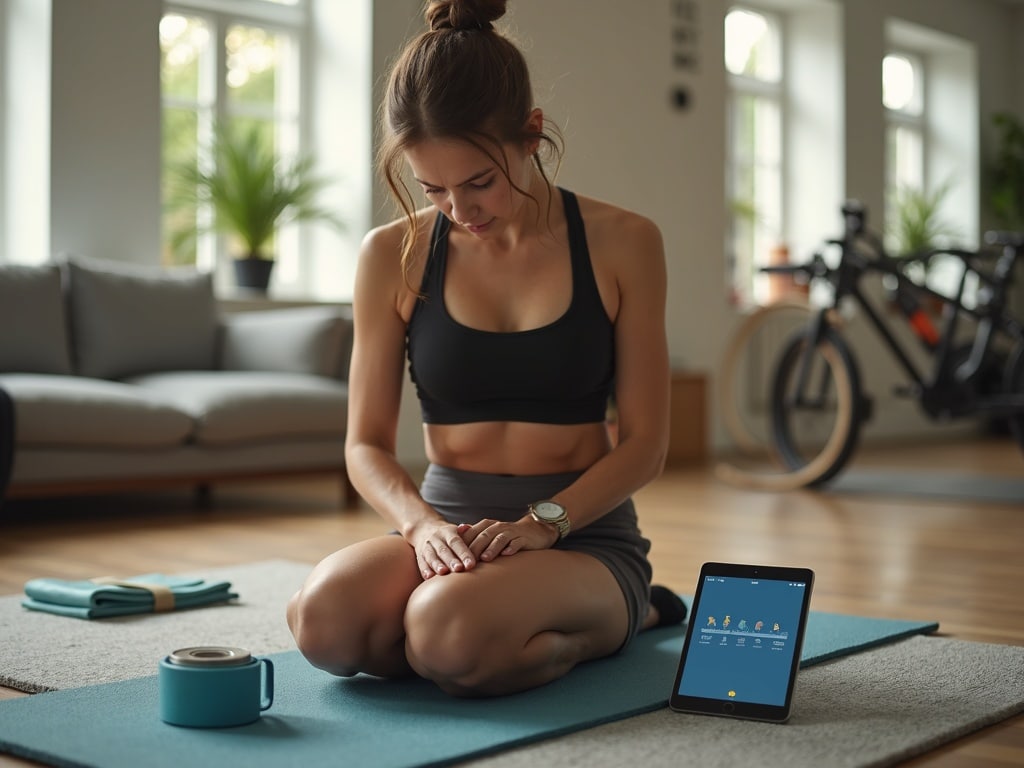
Groin strains are often graded by severity. A grade 1 strain is mild. You may feel tightness or discomfort, but walking is usually possible. A grade 2 strain involves more fiber damage, more pain, and reduced strength. A grade 3 strain is a severe tear or rupture, often with sudden sharp pain, bruising, swelling, and major weakness.
According to the American Academy of Orthopaedic Surgeons, thigh muscle strains can range from mild overstretching to complete tearing. That matters because the same plan does not fit every injury. Trying to sprint through a moderate strain can turn a 3 week problem into a 3 month problem.
The groin is also a tricky area because pain there is not always a simple muscle strain. Hip joint irritation, athletic pubalgia, osteitis pubis, hernia, nerve irritation, tendon pain, abdominal injury, and referred pain can all feel similar. If your symptoms do not behave like a normal strain, do not force a generic rehab plan.
Common symptoms of a groin strain
- Pain in the inner thigh, high groin, or near the pubic bone
- Pain when squeezing the knees together
- Pain when changing direction, sprinting, skating, kicking, or lunging
- Tightness after sitting or after sleep
- Weakness when lifting the leg across the body
- Bruising or swelling in more serious cases
- A pulling or popping feeling at the time of injury
The biggest recovery mistake is waiting until the pain is gone and then jumping back into sport at full speed. Pain often fades before strength and tissue capacity return. That is why a staged approach works better than random stretching, deep massage, or complete rest.
If you want a broader overview of healing phases for different muscle injuries, read this guide on muscle tear recovery time. It helps explain why tissue healing depends on severity, blood supply, load management, sleep, and smart progression.
Step by Step Strained Groin Muscle Recovery Plan
The best recovery plan changes as symptoms change. Your goal is not to do every exercise right away. Your goal is to choose the right level of stress for the current stage of healing.
Step 1: Protect the injury for the first 24 to 72 hours
In the first few days, reduce anything that creates sharp pain. This may mean avoiding running, deep squats, lateral lunges, aggressive stretching, kicking, heavy adductor machines, or wide stance lifting. Short, comfortable walking is usually fine if it does not increase pain.
Use ice for 10 to 15 minutes if it helps with pain, especially during the first day or after activity. Compression shorts may also help some people feel supported. Avoid strong heat, deep massage, and intense stretching early, because irritated fibers do not usually respond well to force.
The NHS guidance on sprains and strains supports early protection, avoiding harmful activity, and seeking help when symptoms are severe or not improving.
Step 2: Start gentle pain free movement
Once walking is comfortable, begin gentle range of motion. The aim is circulation and confidence, not a deep stretch. Try these once or twice daily:
- Heel slides while lying on your back, 10 to 15 reps
- Seated knee openings within a comfortable range, 10 reps
- Standing hip circles with small motion, 5 each way
- Short walks on flat ground, stopping before symptoms rise
If you feel a sharp pinch, pulling pain, or guarding, reduce the range. Do not chase flexibility in the first week. A strained adductor often feels tight because it is protective, not because it needs aggressive stretching.
Step 3: Add isometric adductor strength
Isometrics are contractions without visible movement. They are useful because they let you load the muscle in a controlled way. Start with a very easy squeeze.
Try the pillow squeeze:
- Lie on your back with knees bent.
- Place a pillow or soft ball between your knees.
- Squeeze gently for 5 seconds.
- Relax fully.
- Repeat 8 to 10 times.
If that is easy and symptoms stay calm the next day, increase to 10 second holds. Later, repeat the squeeze with the knees more bent, then less bent, because the adductors work at different hip angles.
Step 4: Build controlled strength
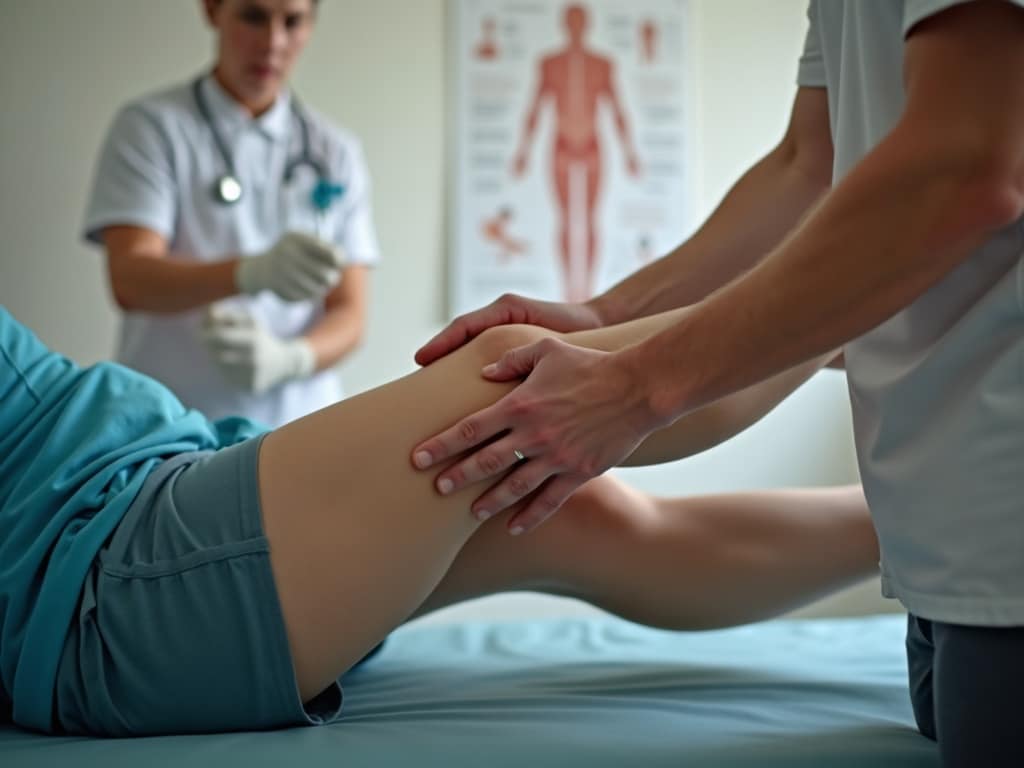
When isometrics feel safe, move into slow strength work. This stage matters because weak adductors are more likely to flare when you return to cutting, running, skating, or lifting.
Start with:
- Side lying hip adduction, 2 sets of 8 to 12 reps
- Glute bridges, 2 sets of 10 to 15 reps
- Bodyweight box squats, 2 sets of 8 to 10 reps
- Short range lateral weight shifts, 2 sets of 10 reps
- Step ups, 2 sets of 8 reps per side
Keep the movement slow. If you need to twist your body or hold your breath to complete the rep, the exercise is not ready yet. For a bigger recovery framework, see this guide on how to speed up muscle strain recovery.
Step 5: Restore mobility without forcing the groin
Mobility should support strength, not replace it. Gentle hip flexor mobility, glute mobility, and controlled adductor range can help. Avoid bouncing and avoid long painful holds.
Useful options include:
- Half kneeling hip flexor stretch, 20 seconds per side
- Rock back adductor stretch with a small range, 8 reps
- Figure 4 glute stretch, 20 seconds per side
- Controlled deep squat hold only if pain free
Many people do better with calm mobility than aggressive static stretching. If you like gentle movement, this article on yoga for muscle recovery can help you choose positions that support recovery without pushing into pain.
Step 6: Return to running and sport slowly
Do not return to sport just because daily walking feels normal. Running, cutting, and kicking place higher loads on the adductors. Start with straight line walking and jogging intervals before lateral work.
A simple progression looks like this:
- Brisk walking for 20 minutes with no pain
- Walk jog intervals on flat ground
- Continuous easy jogging
- Gentle strides at 50 to 60 percent effort
- Side shuffles and controlled change of direction
- Sport drills at reduced speed
- Full practice before full competition
Move up only when the current level is pain free during the session and the next day. If symptoms return, drop back one level for several days.
Step 7: Support healing with sleep, protein, and hydration
No supplement can repair a strained groin if load management is poor. Still, nutrition and sleep matter. Aim for consistent protein across the day, enough calories, hydration, and 7 to 9 hours of sleep when possible.
If your diet is low in protein, this guide to protein powder for muscle recovery explains practical dosing and timing. If cramps, sleep quality, or low intake are concerns, you may also find this article on magnesium for muscle recovery useful.
Advanced Analysis, Recovery Timeline, and Common Pitfalls
Groin recovery is rarely perfectly linear. You may feel good for two days, then sore after stairs, long driving, a gym session, or a quick turn. That does not always mean you are back to the beginning. It usually means the tissue was loaded beyond its current capacity.
The National Library of Medicine overview on muscle strains explains that muscle strains vary widely in severity and may require different levels of care. This is why a timeline is only a guide.
Realistic recovery timeline
| Severity | Typical signs | Estimated recovery | Main focus |
|---|---|---|---|
| Grade 1 mild strain | Tightness, mild pain, little or no swelling, walking is mostly normal | 1 to 3 weeks | Protect, restore motion, light strengthening, gradual return |
| Grade 2 moderate strain | Clear pain, weakness, tenderness, possible bruising, running is difficult | 4 to 8 weeks | Progressive strength, hip control, running progression, sport drills |
| Grade 3 severe tear | Sudden sharp pain, major weakness, swelling, bruising, difficulty walking | 8 to 12 weeks or longer | Medical assessment, structured rehab, possible imaging or specialist care |
These timelines are not guarantees. Age, previous groin injuries, hip mobility, training load, sleep, nutrition, and the exact location of the strain all matter. Tendon related adductor pain near the pubic bone can take longer than a simple muscle belly strain.
Pitfall 1: Stretching hard because the groin feels tight
Tightness is often a warning signal. If the muscle is guarding, hard stretching can keep it irritated. Use gentle mobility and strength first. Stretching should feel mild and should not increase symptoms later.
Pitfall 2: Returning to sport before lateral movement is ready
Many people test recovery with jogging only. That is not enough. Groin muscles work hard during cutting, skating, side stepping, kicking, and sudden deceleration. Before full sport, you should tolerate lateral shuffles, controlled change of direction, and progressive acceleration.
Pitfall 3: Ignoring the opposite hip and core
The adductors do not work alone. Weak glutes, poor trunk control, stiff hips, and poor landing mechanics can overload the groin. Include bridges, side planks, step ups, controlled squats, and single leg balance as symptoms allow.
Pitfall 4: Using massage tools too aggressively
Light self massage around the inner thigh may feel good after the acute stage, but digging hard into a fresh strain can flare symptoms. Avoid direct heavy pressure over bruising or sharp tenderness. If you use recovery devices, start gently. This guide to the best muscle recovery tools can help you choose options that fit the stage of healing.
Pitfall 5: Treating every groin pain as a muscle strain
Seek medical advice if pain is severe, you heard a pop, you cannot walk normally, bruising spreads, symptoms involve the testicle, pain is linked with abdominal bulging, or symptoms do not improve after 1 to 2 weeks of sensible care. The Cleveland Clinic overview of groin pulls lists common symptoms and treatment considerations that can help you decide when to get evaluated.
When heat, sauna, and topical relief may help
Heat can feel helpful after the first few days when swelling is not the main issue. Use it before gentle movement if it improves comfort. Do not use heat on fresh swelling or bruising. Sauna, warm baths, and light circulation work may support comfort, but they do not replace progressive strengthening. If you use heat based recovery, read this guide on infrared sauna for muscle recovery for timing and safety tips.
Topical gels can reduce pain temporarily, but they can also hide warning signals. If a product makes you feel better, do not use that as permission to sprint, lift heavy, or play through a healing strain.
Simple readiness checklist before full return
- You can walk fast for 20 to 30 minutes without pain.
- You can squeeze the knees together strongly without sharp pain.
- You can jog, accelerate, and slow down without symptoms.
- You can side shuffle and change direction at practice speed.
- You have no next day flare after drills.
- Your injured side feels close to the uninjured side in strength and confidence.

Conclusion
A groin strain needs more than rest. The safest path is to protect the injury early, restore comfortable movement, build adductor and hip strength, then return to running and sport in stages. Mild strains can improve quickly, but moderate strains need patience and consistent loading.
Watch your symptoms closely. If pain is sharp, worsening, associated with bruising, or not improving, get assessed. If symptoms are mild and improving, use the plan above and progress only when your body is ready.
For better strained groin muscle recovery, start today with gentle pain free movement, track your symptoms for 24 hours after each session, and build strength before you test speed. If you want a broader recovery plan, explore the linked muscle recovery guides and create a simple weekly rehab schedule you can actually follow.
FAQ
How long does a strained groin muscle take to recover?
A mild groin strain may improve in 1 to 3 weeks. A moderate strain often takes 4 to 8 weeks. A severe tear can take 8 to 12 weeks or longer and should be assessed by a clinician.
Should I stretch a strained groin?
Do not force stretching early. Gentle mobility is usually safer than deep stretching. If stretching causes sharp pain or makes symptoms worse the next day, it is too aggressive.
Can I walk with a groin strain?
Yes, if walking is comfortable and does not increase pain. Limping, sharp pain, or worsening symptoms mean you should reduce activity and consider medical advice.
When can I return to running after a groin strain?
Return to running when you can walk briskly without pain, squeeze the knees together without sharp symptoms, and perform basic strength work comfortably. Start with walk jog intervals before continuous running.
What are warning signs that a groin injury is serious?
Get checked if you heard a pop, cannot walk normally, have major bruising or swelling, have testicular pain, notice abdominal bulging, or do not improve after 1 to 2 weeks of careful recovery.