

### Blog Post:
back massager for lower back pain can help ease tight muscles, improve local blood flow, and make daily movement feel less guarded when you use it correctly.
It is not a cure for every type of back pain. It works best when your discomfort comes from muscle tension, posture fatigue, mild stiffness, or recovery after normal activity. If your pain is sharp, spreading down the leg, linked with numbness, or caused by an accident, get medical advice before using any massage device.
Key Takeaways
- A back massager can reduce lower back tightness, but pressure level, session length, and placement matter.
- Start with short sessions of 5 to 10 minutes and avoid pressing directly on the spine, kidneys, or painful bony areas.
- Massage works best when paired with gentle walking, mobility work, hydration, and smart recovery habits.
- What a Back Massager Does for Lower Back Pain
- How to Use a Back Massager Safely
- Common Pitfalls and Device Comparison
- Final Verdict
- FAQ
What a Back Massager Does for Lower Back Pain
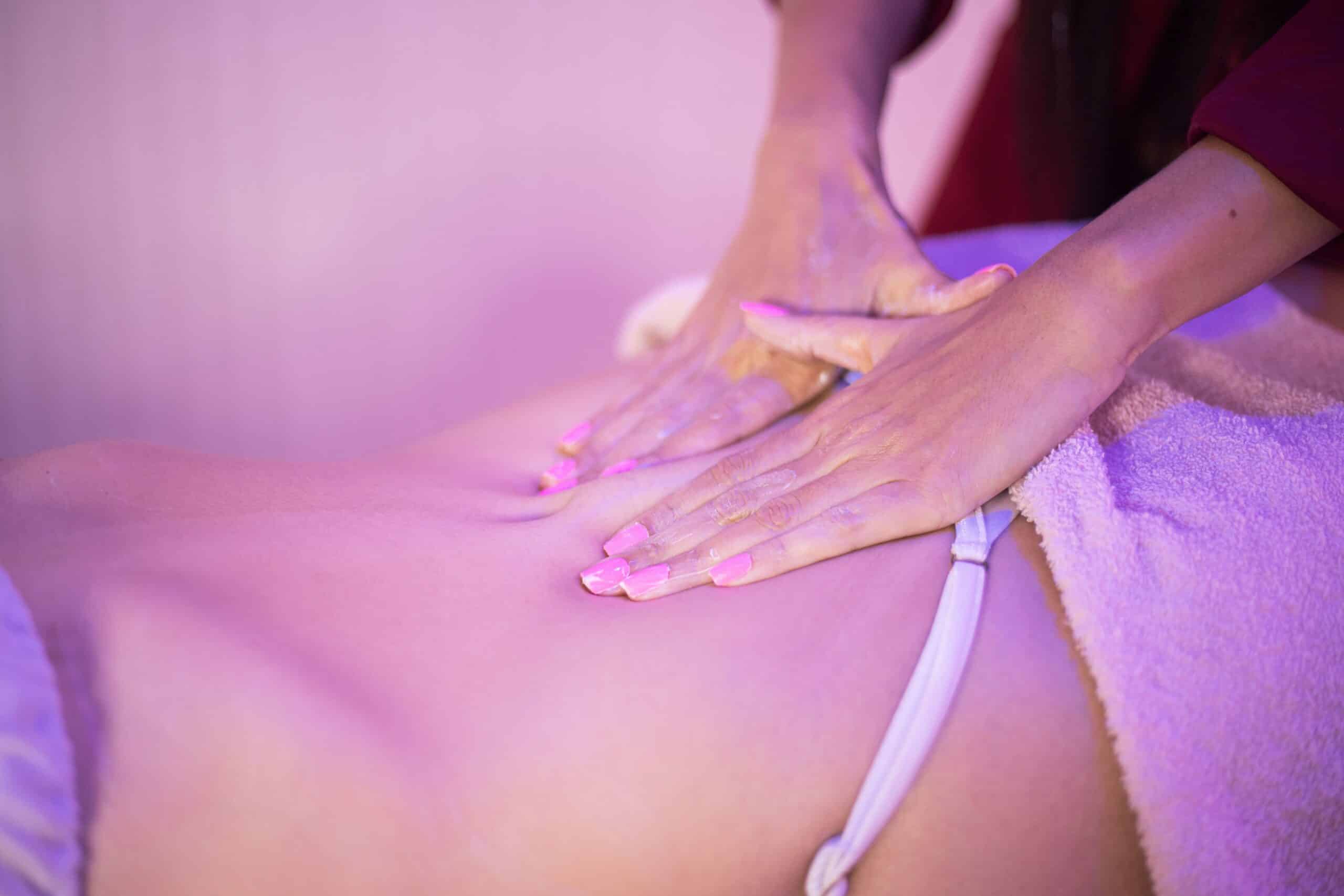
A back massager works by applying pressure, vibration, kneading, heat, or percussion to soft tissue around the lower back. The goal is simple. Reduce muscle guarding, calm sensitivity, and help stiff areas move with less resistance.
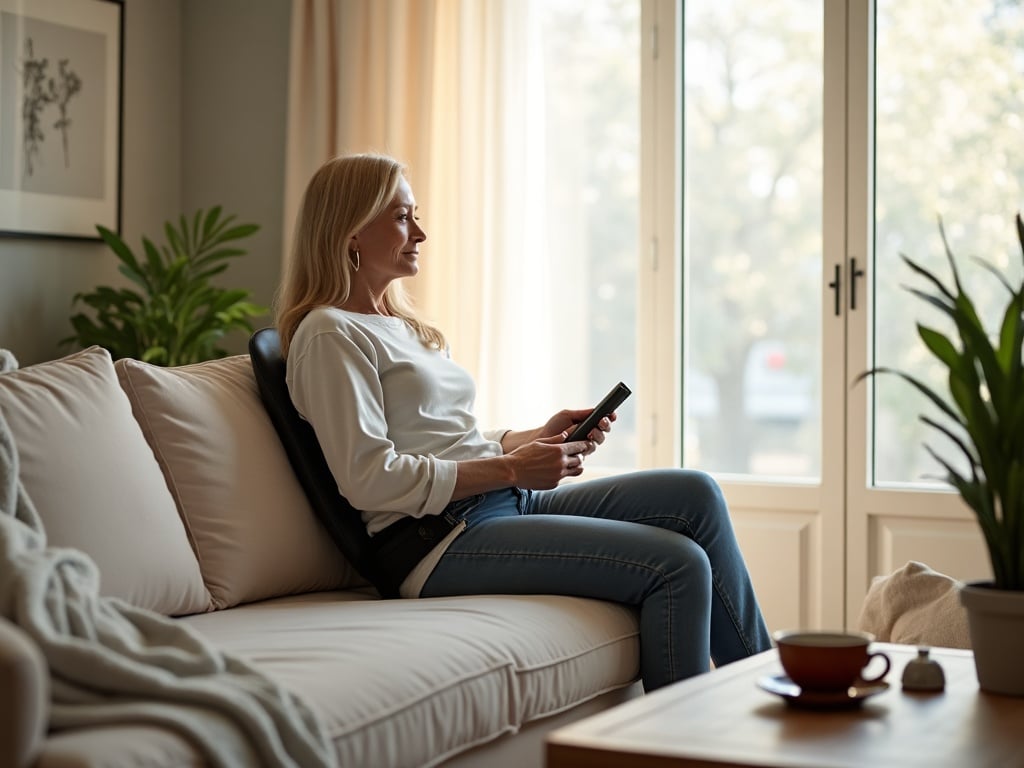
Lower back pain often becomes worse when nearby muscles stay tense for too long. This can happen after sitting, lifting, sleeping in an awkward position, training too hard, or dealing with stress. When muscles stay tight, movement feels limited. A massager may help break that cycle by creating a temporary relaxation response.
Massage therapy is also supported as a possible option for some people with back pain. The National Center for Complementary and Integrative Health notes that massage may provide short term help for low back pain, although results vary. That last part matters. Some people feel relief quickly. Others feel no change or become more sore if they use too much pressure.
The best use case is muscular lower back discomfort. This means aching, stiffness, tightness, or soreness that improves with movement or warmth. It is different from nerve pain, fracture pain, infection related pain, or pain from serious spinal conditions.
If your issue started after a strain, read this guide on pulled lower back muscle recovery time before using aggressive massage. Fresh muscle strains often need gentler care in the early phase. Pressing hard into irritated tissue can delay progress.
A back massager can support recovery in four useful ways:
- It may reduce muscle tone: Gentle kneading can help tight lower back muscles relax for a short period.
- It can improve comfort before movement: Many people use massage before stretching, walking, or light mobility work.
- It may improve body awareness: You can identify tight spots and adjust posture or activity habits.
- It can support stress relief: Lower back tension often rises during stress, poor sleep, and long workdays.
Still, massage is only one tool. The American College of Physicians recommends non drug options such as heat, massage, exercise, and spinal manipulation for many cases of acute and subacute low back pain. That does not mean every device is safe for every person. It means massage can be part of a broader plan when there are no warning signs.
If you want a broader overview of device options, this breakdown of best muscle recovery tools is useful because it compares massage guns, rollers, compression tools, and other recovery devices by use case.
How to Use a Back Massager Safely
The biggest mistake people make is treating a back massager like a strength test. More pressure is not always better. The right approach is controlled, repeatable, and easy to recover from.
Step 1: Check for warning signs first
Do not use a massager as your first response if your symptoms are unusual. Seek medical care if you have pain after a fall, fever, unexplained weight loss, new bladder or bowel problems, numbness in the groin area, major leg weakness, or pain that travels below the knee with tingling. The NHS back pain guide gives a clear overview of when back pain needs urgent attention.
Step 2: Choose the right device type
For lower back pain, the safest starting point is usually a heated shiatsu pillow, a vibration pad, or a chair style massager with adjustable intensity. A massage gun can work, but it is easier to overdo because percussion can be intense.
If you are new to massage devices, read how to use back massager for a more general beginner routine. If you are comparing styles, this guide to back massager solutions can help you decide between heat, kneading, percussion, and full back options.
Step 3: Start with heat or low intensity
Use the lowest setting for the first session. If the device has heat, let it warm the area without forcing pressure. Heat can make the tissue feel more relaxed, but avoid heat if the area is swollen, bruised, or newly injured.
Step 4: Position the massager beside the spine, not on it
Your target is the muscle tissue on either side of the lower spine. Do not press the nodes directly onto the spine itself. Avoid the bony ridge in the center of your back. Also avoid deep pressure near the lower ribs or kidney area.
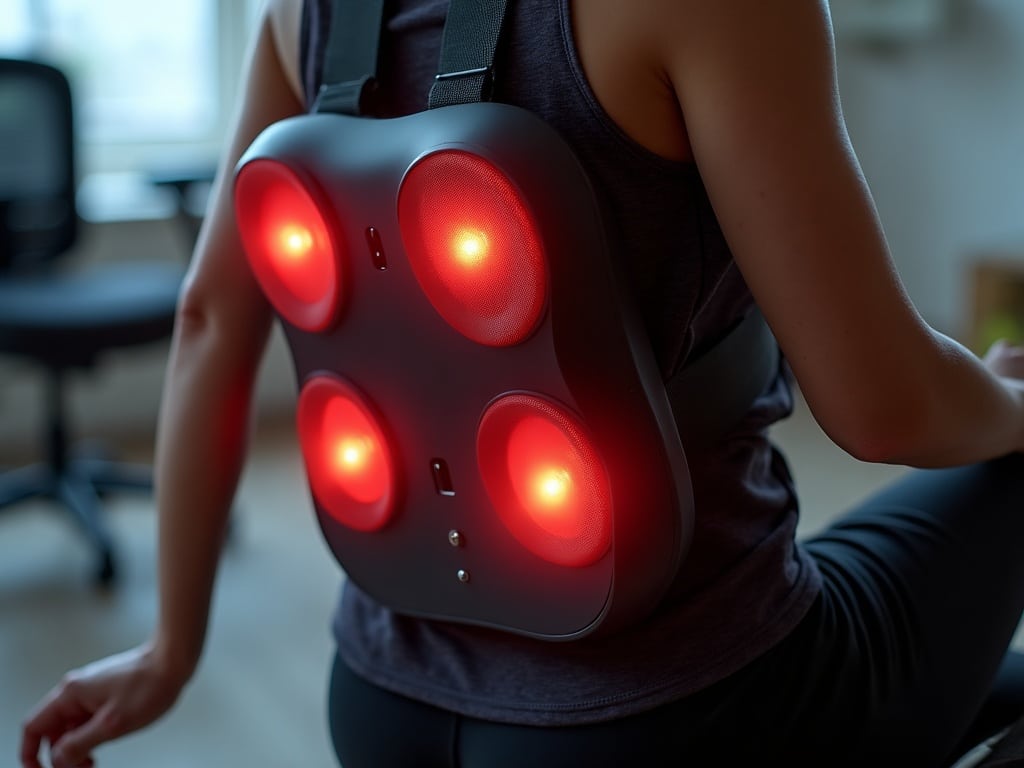
For a pillow massager, place it behind you while sitting against a chair. Lean back slowly. Do not drop your full body weight into the device right away. For a massage gun, keep the head moving slowly over the thick muscle area. Do not hold it on one painful spot for a long time.
Step 5: Limit your first session
Start with 5 minutes. If you feel fine later that day and the next morning, increase to 8 or 10 minutes. Most people do not need more than 15 minutes on the lower back at one time.
After the session, stand up and walk for 2 to 5 minutes. This helps your nervous system connect the relaxed feeling with normal movement. If you sit still right after massage, your lower back may tighten again quickly.
Step 6: Pair massage with gentle movement
Massage gives temporary relief. Movement helps maintain it. Try a short walk, pelvic tilts, gentle cat cow movement, or easy hip flexor stretching after the session. If you want a structured movement plan, see this guide on yoga for muscle recovery.
Do not stretch hard right after deep massage. The tissue may feel looser, which can make it tempting to force range of motion. Keep it easy. Your goal is comfort, not maximum flexibility.
Step 7: Track your response for 24 hours
A good session should leave you feeling looser, warmer, and more comfortable. Mild tenderness can happen, especially if the device kneads deeply. But increased sharp pain, bruising, spreading symptoms, or next day flare ups mean the intensity or duration was too much.
If your lower back pain is related to muscle strain, this article on how to speed up muscle strain recovery explains why recovery requires load management, sleep, hydration, and gradual return to activity.
Common Pitfalls and Device Comparison
A back massager can be useful, but only when it matches the problem. The wrong device or routine can make lower back pain feel worse. Here are the main issues to watch for.
Pitfall 1: Using deep pressure on a fresh injury
If you strained your back yesterday while lifting, deep massage may irritate the area. In the early stage, use gentle warmth, short walks, and comfortable positions. Save deeper massage for later when pain is less reactive. For more serious soft tissue injuries, this guide on muscle tear recovery time explains why tissue healing depends on severity and timing.
Pitfall 2: Chasing trigger points too aggressively
A tender spot does not always need more pressure. Sometimes it is sensitive because the surrounding joints, hips, or nerves are irritated. If a trigger point feels sharper the longer you press it, stop. Work around the area instead of directly on it.
Pitfall 3: Ignoring the hips and glutes
Lower back tension often comes with tight glutes, hip flexors, and hamstrings. A massager used only on the lower back may miss the real contributor. Try gentle work on the upper glutes and outer hips, but avoid the sciatic nerve area if you feel zapping, tingling, or radiating pain.
Pitfall 4: Using heat when cooling is more appropriate
Heat usually helps stiffness. Cooling can feel better when the area is irritated after activity. Some people rotate between massage and topical cooling. If that interests you, compare options in this guide to the cooling gel. Never combine a strong heating device with menthol gel because the sensation can become uncomfortable and may irritate skin.
Pitfall 5: Expecting massage to fix weak support muscles
Massage may reduce discomfort, but it does not build strength. If pain keeps returning after sitting, lifting, or walking, you may need progressive core, hip, and glute work. A physical therapist can help if your symptoms are persistent or limiting.
The National Institute of Neurological Disorders and Stroke explains that back pain can come from many structures, including muscles, discs, nerves, and joints. This is why a massager should be used as a comfort tool, not a diagnosis tool.
| Device Type | Best For | Main Risk | Smart Use |
|---|---|---|---|
| Heated shiatsu pillow | Desk stiffness and mild muscle tightness | Too much pressure from leaning back hard | Use a towel buffer and keep sessions short |
| Vibration pad | Sensitive backs and beginners | May feel too mild for deep tension | Use before walking or mobility work |
| Massage gun | Thick glute and hip muscles | Easy to overuse on the low back | Use low speed and keep it moving |
| Massage chair pad | Full back relaxation | May not fit your body shape well | Adjust seat height and lumbar placement |
| TENS device | Pain modulation without kneading pressure | Pad placement mistakes and skin irritation | Follow placement instructions and replace worn pads |
Some people prefer electrical stimulation instead of massage pressure. If that sounds better for you, read the TENS device. If you already use a TENS unit, good pads matter, so this TENS pad placement guide can help you avoid common mistakes.
Recovery also depends on what you do outside the massage session. Sleep, nutrition, hydration, and mineral status can influence muscle tightness. For example, this guide on magnesium for muscle recovery explains when magnesium may help with cramps, sleep, and recovery support. Heat based recovery can also be useful for some people, and this article on infrared sauna for muscle recovery covers timing and safety basics.
Here is a simple weekly routine for most non urgent muscular lower back discomfort:
- Day 1 to 2: Use gentle heat or light vibration for 5 to 8 minutes, then walk.
- Day 3 to 4: Add light mobility after massage if symptoms are improving.
- Day 5 to 7: Use massage only when it improves movement, not as a way to push through pain.
If pain is not improving after one to two weeks, or if it keeps returning with normal tasks, stop guessing. A clinician can check whether the pain is muscular, joint related, nerve related, or connected to another issue.
Final Verdict
A back massager can be a practical home tool when lower back pain comes from stiffness, tension, posture fatigue, or mild muscle soreness. The safest plan is to start low, use short sessions, avoid the spine, and judge success by how you feel later that day and the next morning.
Do not use massage to overpower pain. Use it to create a small window where movement feels easier. Then support that window with walking, gentle mobility, better sitting habits, sleep, and gradual strengthening.
If you want a simple next step, choose a device with adjustable intensity, heat control, and a return policy. Test it for one week with short sessions. If it reduces stiffness without flare ups, a back massager for lower back pain can earn a useful place in your recovery routine. Start gently today and track your response before increasing intensity.
FAQ
How long should I use a back massager for lower back pain?
Start with 5 minutes. If your back feels better later and the next day, increase to 8 or 10 minutes. Most people should stay under 15 minutes per lower back session.
Can a back massager make lower back pain worse?
Yes. Too much pressure, long sessions, direct pressure on the spine, or use on a fresh injury can increase soreness. Stop if pain becomes sharp, spreads, or feels worse the next day.
Is heat necessary in a lower back massager?
Heat is helpful for stiffness and muscle tension, but it is not required. Avoid heat on swollen, bruised, or newly injured areas. Use low heat first and never sleep on an active heated massager.
Should I use a massage gun on my lower back?
You can use a massage gun carefully around the lower back, but avoid the spine and bony areas. It is often safer to use it on the glutes and hips rather than directly over the lumbar spine.
When should I see a doctor instead of using a massager?
Get medical help if you have numbness, weakness, pain after trauma, fever, bladder or bowel changes, groin numbness, unexplained weight loss, or pain that travels down the leg with tingling.