

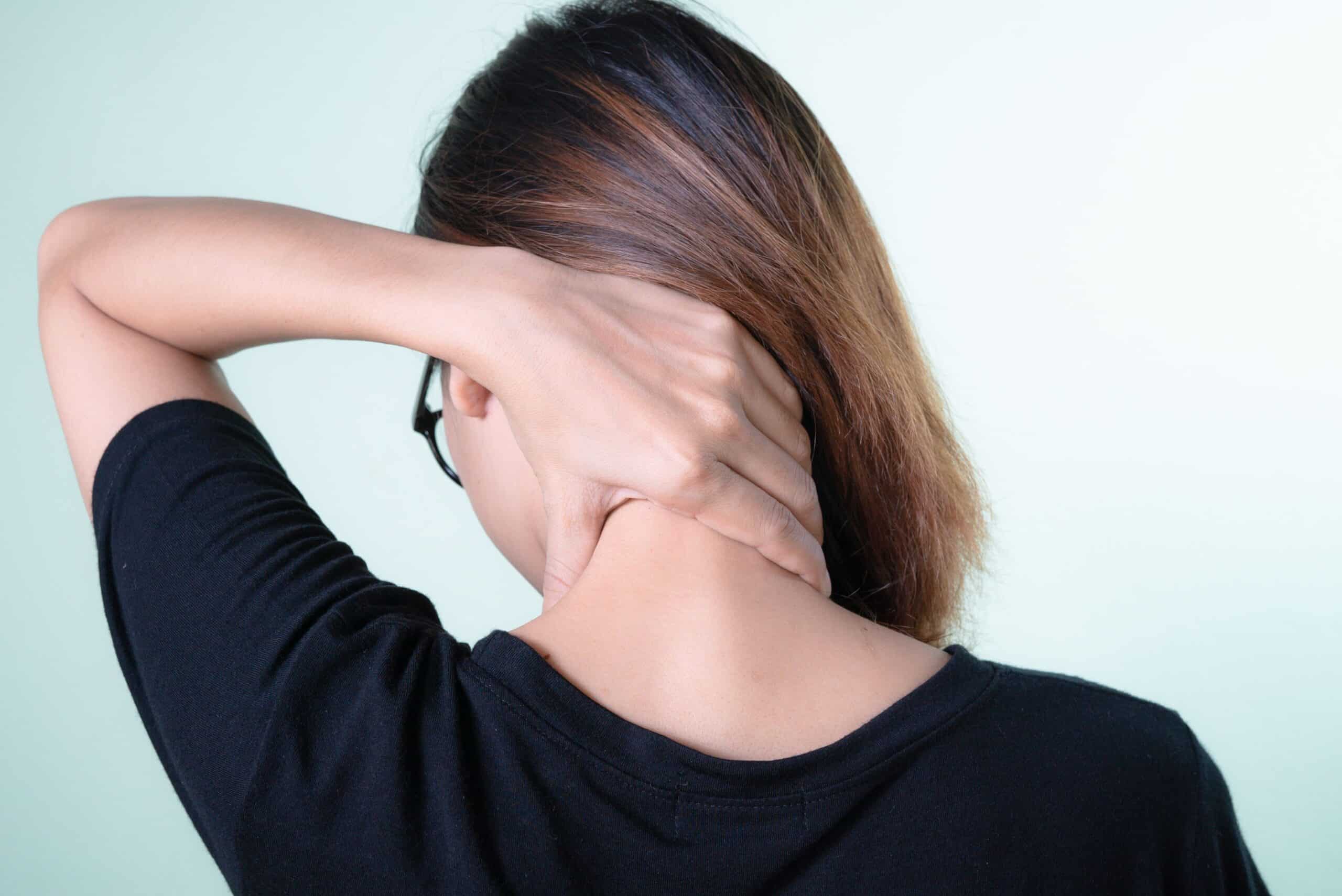
what is the best neck massager depends on your pain pattern, sensitivity, budget, and whether you need heat, deep kneading, vibration, or a lighter daily relaxation tool.
If your neck feels tight after desk work, driving, sleeping in a poor position, or training, the wrong massager can make irritation worse. The right one should reduce muscle tension without pressing aggressively on the spine, nerves, throat, or bony joints. This guide explains how to choose one safely, what features matter, which type fits each use case, and the common mistakes that cause buyers to waste money.
Key Takeaways
- The best neck massager for most people is a soft shiatsu style wrap with adjustable intensity, optional heat, automatic shutoff, and easy hand controls.
- Avoid very aggressive devices if you have nerve symptoms, recent injury, severe arthritis, dizziness, unexplained pain, or pain that travels into the arm.
- Use a neck massager for short sessions, usually 10 to 15 minutes, and treat it as a recovery aid, not a replacement for medical care or posture changes.
- What Makes a Neck Massager the Best Choice?
- How to Choose and Use a Neck Massager Step by Step
- Advanced Analysis and Common Pitfalls
- Final Verdict
- FAQ
What Makes a Neck Massager the Best Choice?
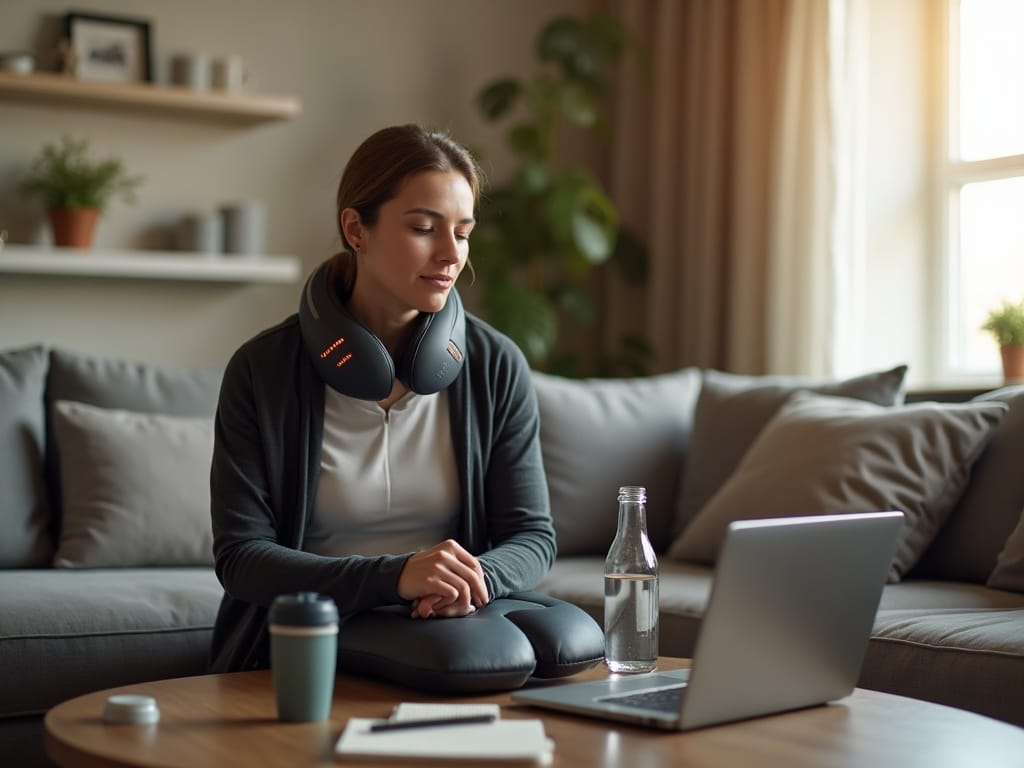
The best neck massager is not always the strongest one. It is the one that matches your neck tissue tolerance, gives you control over pressure, fits your body comfortably, and helps you relax without causing soreness the next day. For most users, that means a wrap style shiatsu neck and shoulder massager with heat, adjustable speed, rotating nodes, and a 15 minute automatic shutoff.
Neck tension is usually a mix of tight upper trapezius muscles, stiff levator scapulae muscles, stress related guarding, poor screen position, and limited shoulder movement. A massager can help by improving local comfort, encouraging blood flow, and reducing the feeling of muscle guarding. The National Center for Complementary and Integrative Health notes that massage therapy may help with some pain conditions, although results vary and it should be used carefully.
There are several types of neck massagers. Each has a different strength and downside.
- Shiatsu wrap massagers: Best for general neck and shoulder tension. They use rotating nodes that mimic kneading. The handles let you control pressure by pulling gently.
- Pillow massagers: Good for couch or bed use. They are less portable and may not fit the curve of every neck.
- Massage guns: Useful for large muscles, but risky around the neck if used too high, too hard, or too close to the spine. They are better for shoulders and upper traps than the side or front of the neck.
- Vibration neck bands: Gentle and easy to tolerate. They are better for relaxation than deep tightness.
- Heat only wraps: Helpful for mild stiffness and stress, but they do not provide tissue kneading.
- TENS style devices: These use electrical stimulation, not massage. They can help some pain patterns, but placement matters. If you use this route, learn about TENS pads for pain relief before placing electrodes near sensitive areas.
For most households, a shiatsu wrap wins because it is simple, controlled, and versatile. It can be used on the neck, upper back, shoulders, calves, and sometimes lower back. If you also deal with back tension, a dedicated back massager may offer better coverage than trying to force a neck device to do everything.
Still, a neck massager has limits. It cannot correct poor monitor height, weak upper back muscles, stress overload, or a true injury. If your neck pain came from a strain, a sudden twist, or lifting, read this guide on how to speed up muscle strain recovery so you understand healing timelines and warning signs.
How to Choose and Use a Neck Massager Step by Step
Choosing a neck massager is easier when you start with your actual problem instead of shopping by star ratings. Follow these steps before buying or using one.
Step 1: Identify your main pain pattern
Ask where the discomfort sits. If it is on the upper shoulders and back of the neck, a shiatsu wrap can work well. If it is sharp, burning, numb, or travels into the arm, be cautious. That pattern may involve nerve irritation. The Mayo Clinic advises medical attention for neck pain linked with weakness, numbness, shooting pain, trauma, or severe symptoms.
If your pain is mostly stress tightness, a gentler device may be enough. If your muscles feel dense and stubborn, you may prefer kneading nodes with adjustable speed. If the area feels inflamed or recently injured, do not start with deep pressure.
Step 2: Pick the right device type
For daily computer neck, choose a shiatsu wrap with long handles. For travel, choose a compact heated pillow or small vibration unit. For athletes, choose a broader recovery setup that includes foam rolling, mobility work, and perhaps one of the options in this best muscle recovery tools guide.
If you want one device for several body areas, check the shape. Some neck massagers work on legs and lower back. Others are too curved or too narrow. If you need full body coverage, compare with larger back massager solutions before committing.
Step 3: Check must have safety features
- Automatic shutoff: Prevents overuse when you relax or fall asleep.
- Adjustable intensity: Lets you start gently and increase only if needed.
- Optional heat: Useful, but should turn on and off separately from massage.
- Soft cover: Reduces harsh contact from rotating nodes.
- Easy controls: Important if you have shoulder stiffness or limited reach.
- Power source that fits your routine: Corded models often feel stronger. Rechargeable models are more convenient but may lose intensity as the battery drains.
Step 4: Use it correctly the first week
Do not chase a deep burn. A good session should feel like firm relief, not punishment. Use these settings for the first week:
- Place the massager across the upper shoulders, not directly on the bony spine.
- Use the lowest speed for 5 minutes.
- Keep your chin neutral, not pushed forward.
- Let the device do the work. Do not pull the handles with full force.
- Move the massager slightly every few minutes so one spot does not get overworked.
- Stop if you feel tingling, dizziness, nausea, headache, sharp pain, or arm symptoms.
- Wait 24 hours before increasing time or pressure.

Step 5: Add heat only when it makes sense
Heat feels good for chronic tightness and stress related stiffness. It can also help you relax before stretching. But heat is not ideal for a fresh injury, visible swelling, or hot irritated tissue. If your neck pain started after a sudden strain, follow the basics of recovery and avoid aggressive massage early. For broader recovery planning, this pulled lower back muscle recovery time guide explains why tissue healing needs staged loading, not constant pressure.
Step 6: Pair massage with simple mobility
A neck massager may reduce tightness, but the relief often fades if you go back to the same posture. After a session, do light movement while the muscles feel relaxed.
- Do 5 slow chin tucks.
- Roll shoulders backward 10 times.
- Gently turn your head left and right within a pain free range.
- Stretch the chest doorway style for 20 seconds.
- Take a 2 minute walking break if you have been sitting for hours.
Recovery is not only mechanical. Sleep, hydration, and nutrition matter. Some people also explore magnesium for muscle recovery when tightness, cramps, or poor sleep are part of the picture. Supplements are not a cure, but they can support the basics when used appropriately.
Step 7: Build a realistic routine
Most people do best with 10 to 15 minutes, 3 to 5 days per week. Daily use can be fine if the pressure is gentle and your neck feels better afterward. If you feel bruised, tender, or more guarded the next morning, reduce pressure, shorten the session, or take a break.
A simple routine looks like this:
- Morning: 5 minutes of gentle movement, no deep massage needed.
- After work: 10 minutes of neck and shoulder massage.
- Before bed: Heat only or light massage if it helps sleep.
Advanced Analysis and Common Pitfalls
The biggest mistake is assuming stronger equals better. Neck tissue is sensitive. Nerves, blood vessels, joints, and small stabilizing muscles sit close together. A device that feels amazing on the glutes or thighs may be too much for the neck.
Here is a practical comparison of common neck massager options.
| Type | Best For | Main Benefit | Common Downside | Best User |
|---|---|---|---|---|
| Shiatsu wrap | Upper shoulders, back of neck, stress tension | Strong kneading with pressure control | Can feel too intense if pulled hard | Desk workers and general users |
| Heated pillow | Couch use, mild stiffness, travel | Comfortable and simple | Harder to position precisely | People who want easy relaxation |
| Vibration band | Sensitive necks and light relaxation | Gentle and low risk when used correctly | May not help deep knots | Beginners and older adults |
| Massage gun | Upper traps and shoulders | Fast muscle stimulation | Risky near spine, throat, and nerves | Experienced users with good control |
| TENS device | Some pain patterns under guidance | Electrical pain modulation | Pad placement errors can irritate skin or nerves | Users who understand electrode safety |
Pitfall 1: Pressing directly on the cervical spine
Massage nodes should work on muscle, not bone. Avoid grinding directly over the center line of the neck. Focus on the upper trapezius, base of the skull area with very light pressure, and the thick shoulder muscles. If a device forces pressure into the spine, it is not a good fit.
Pitfall 2: Using deep massage on new or severe pain
Fresh pain needs caution. A pulled or irritated muscle can become more sensitive if you attack it with deep kneading too early. If your pain began after lifting, training, or a sudden movement, learn the basics of muscle tear recovery time and get checked if pain is severe, worsening, or linked with weakness.
Pitfall 3: Ignoring nerve signs
Do not massage through numbness, tingling, electric pain, arm weakness, or pain that travels below the shoulder. These signs can suggest nerve involvement. The Cleveland Clinic explains that cervical radiculopathy can cause radiating pain, numbness, and weakness from nerve root irritation. A massager is not the right first step for those symptoms.
Pitfall 4: Buying based only on heat
Heat is pleasant, but not all heat features are equal. Some devices barely warm up. Others get too hot for sensitive skin. Look for separate heat control and avoid falling asleep with heat on. People with reduced sensation, diabetes related nerve issues, or circulation problems should be extra careful with heated devices.
Pitfall 5: Using it as a posture substitute
If your monitor is too low, your phone is always in your lap, or your shoulders stay rounded all day, massage will only give temporary relief. Raise your screen, support your elbows, take movement breaks, and strengthen your upper back gradually. The OSHA computer workstation guidance is a useful reference for setting up a work area that reduces strain.
Pitfall 6: Choosing a device that does not fit your body
People with smaller frames may find large shiatsu nodes too bulky. Larger users may find compact pillows too weak or awkward. If possible, choose a product with a return window. Read reviews from people with similar height, shoulder width, and sensitivity, not just the overall rating.
Pitfall 7: Forgetting skin and hair comfort
Some covers catch hair or create friction on the skin. A removable washable cover is better if multiple people will use the device. If your skin bruises easily, use a towel barrier and keep sessions short.
Who should avoid neck massagers or ask a clinician first?
Do not use a neck massager without medical advice if you have recent neck trauma, severe osteoporosis, cancer in the area, blood clot history, active infection, unexplained swelling, implanted devices affected by electricity, recent surgery, or severe dizziness. Also pause if massage causes headaches, nausea, visual changes, or new neurological symptoms.
Pregnant users, people with pacemakers, and people taking blood thinning medication should be careful and ask a healthcare professional before using intense massage or electrical stimulation devices.
Best overall recommendation by user type
- Best for most people: Adjustable shiatsu neck and shoulder wrap with heat and automatic shutoff.
- Best for sensitive users: Soft vibration neck massager or heat wrap.
- Best for travel: Compact pillow massager with wall and car adapter.
- Best for athletes: Neck safe shiatsu wrap plus a separate massage gun for larger muscles only.
- Best for chronic desk tension: Shiatsu wrap, ergonomic changes, shoulder mobility, and scheduled movement breaks.
Final Verdict
The best neck massager for most people is an adjustable shiatsu neck and shoulder wrap with optional heat, soft fabric, automatic shutoff, and handles that let you control pressure. It gives enough kneading for tight upper traps without requiring you to use a risky high powered device near sensitive neck structures.
If your neck is very sensitive, start with vibration or heat only. If you have radiating pain, numbness, weakness, recent injury, or severe symptoms, skip self massage and get medical advice first. If your pain is mainly from desk posture, pair massage with better ergonomics and simple mobility work.
Use this guide to compare your pain pattern, choose the right device type, and start with short, gentle sessions. If you are still asking what is the best neck massager, choose the safest model that you will actually use consistently, then build a routine around comfort, posture, and recovery.
CTA: Before you buy, list your top need: deep shoulder tension, light relaxation, travel use, or sensitive neck support. Then choose the massager type above that matches that need instead of buying the strongest model on the shelf.
FAQ
What type of neck massager is best for most people?
A shiatsu neck and shoulder wrap is usually best for most people because it offers kneading pressure, optional heat, and manual pressure control through the handles. Choose one with adjustable speed, soft fabric, and automatic shutoff.
Can a neck massager make pain worse?
Yes. A neck massager can make pain worse if the pressure is too strong, the session is too long, or the pain involves nerve irritation, fresh injury, inflammation, or an underlying medical problem. Stop if you feel sharp pain, tingling, dizziness, nausea, or symptoms traveling into the arm.
How long should I use a neck massager?
Most users should start with 5 to 10 minutes and slowly work up to 10 to 15 minutes if the neck feels better afterward. More time is not always better. Soreness the next day means you likely used too much pressure or too much time.
Is heat important in a neck massager?
Heat is helpful for chronic tightness, stress tension, and relaxation, but it is not required. Avoid heat on fresh injuries, swelling, irritated skin, or areas with reduced sensation. Look for a device where heat can be turned on and off separately.
Are massage guns safe for neck pain?
Massage guns should be used carefully around the neck. They are better for the upper shoulders and trapezius muscles than the front, side, or bony center of the neck. Avoid using a massage gun near the throat, spine, or areas that cause tingling or radiating pain.