

### Blog Post:
best cooling gel for muscle pain can help calm sore spots fast, but only when you choose the right active ingredient and use it safely.
A cooling gel is not a cure for a strained muscle, tendon issue, arthritis flare, or nerve pain. It is a short term topical tool that can make movement easier, reduce the feeling of tightness, and help you stay comfortable while your body heals. The key is knowing when it fits, when it does not, and how to avoid common mistakes like using too much, applying it before heat, or masking an injury that needs medical care.
This guide explains how cooling gels work, what ingredients matter, how to apply them, and how to compare popular pain relief formulas without falling for marketing claims.
Key Takeaways
- Menthol based cooling gels work by creating a cold sensation that distracts pain signals and may temporarily reduce soreness.
- The best results come from thin, targeted application on clean skin, not from using large amounts or layering products.
- Cooling gel is helpful for mild muscle pain, post workout soreness, and stiffness, but sharp pain, swelling, weakness, or bruising needs a different plan.
- What Is Cooling Gel for Muscle Pain and Why It Works
- How to Use Cooling Gel for Muscle Pain Safely
- Advanced Analysis and Common Pitfalls
- Final Verdict
- Frequently Asked Questions
What Is Cooling Gel for Muscle Pain and Why It Works
A cooling gel for muscle pain is a topical analgesic that you rub onto a sore area to create a cooling sensation on the skin. The most common active ingredient is menthol. Menthol stimulates cold sensitive receptors in the skin, which can make discomfort feel less intense for a limited time.
This is called a counterirritant effect. Instead of directly repairing the muscle, the gel gives your nervous system a stronger surface sensation to process. That can reduce how much you notice soreness, especially after exercise, long sitting, heavy lifting, or repetitive work.
The best cooling gel for muscle pain usually has three practical qualities. It activates quickly, it dries without a greasy film, and it uses a clear label with a recognizable active ingredient. Many people prefer menthol gels because they do not require pills and they can be applied to one specific area.
According to MedlinePlus guidance on sprains and strains, mild soft tissue injuries often improve with rest, protection, and gradual return to movement. Cooling gel can support comfort during that process, but it should not replace proper recovery steps.
Use cooling gel for surface level soreness, delayed onset muscle soreness, mild back tightness, neck and shoulder tension, calf soreness, quad stiffness, forearm overuse, and general workout recovery discomfort. It may also help some people with joint stiffness, although joint pain often needs a more specific plan. If your main issue is arthritis rather than muscle soreness, compare topical options in this guide to best arthritis gels.
Cooling gel is less useful for deep structural injuries, severe swelling, numbness, radiating pain, or a suspected tear. If you felt a pop, developed visible bruising, or cannot load the muscle normally, read this guide on muscle tear recovery time before relying on any topical product.
What ingredients should you look for?
Menthol is the main ingredient in most cooling gels. Common concentrations range from mild to strong. A higher percentage can feel more intense, but stronger is not always better. Sensitive skin may react to strong menthol with burning, redness, or irritation.
Some formulas add camphor, methyl salicylate, arnica, aloe, or herbal extracts. These may improve scent, skin feel, or marketing appeal, but the label should clearly identify the active pain relief ingredient. If the product hides behind vague language like proprietary cooling blend, treat that as a warning sign.
The FDA explains that over the counter nonprescription products should be used according to label directions. That matters with topical pain relief because applying more than directed can increase skin irritation and does not guarantee better results.
Cooling gel versus ice
Cooling gel and ice are not the same. Ice lowers tissue temperature more directly. Cooling gel mostly changes skin sensation. For a fresh injury with swelling, ice or cold therapy may be more appropriate during the early stage. For general soreness or stiffness, gel is often more convenient because it is portable and does not require sitting still with an ice pack.
If you are comparing cold, heat, and sauna based methods, this guide on infrared sauna for muscle recovery can help you understand when warmth fits better than cooling.
How to Use Cooling Gel for Muscle Pain Safely
Using cooling gel is simple, but small details affect both comfort and safety. The goal is to apply enough to cover the sore area with a thin layer, then let it dry before clothing or activity.
Step 1: Identify the pain type first
Before applying anything, ask what the pain feels like. Dull soreness after training is different from sharp pain during movement. A tight lower back after sitting is different from pain shooting down the leg. Cooling gel is best for localized muscle soreness, not unexplained neurological symptoms.
If your pain is in the lower back and started after lifting, twisting, or bending, review pulled lower back muscle recovery time so you do not cover up signs that need rest, rehab, or clinical evaluation.
Step 2: Clean and dry the skin
Apply gel to clean, dry skin. Sweat, lotion, sunscreen, and massage oil can change absorption and make the gel spread beyond the target area. Wash the area gently, dry it fully, then apply the product.
Do not apply cooling gel to cuts, scrapes, rashes, sunburn, or recently shaved skin. Menthol on irritated skin can sting more than expected.
Step 3: Use a small amount first
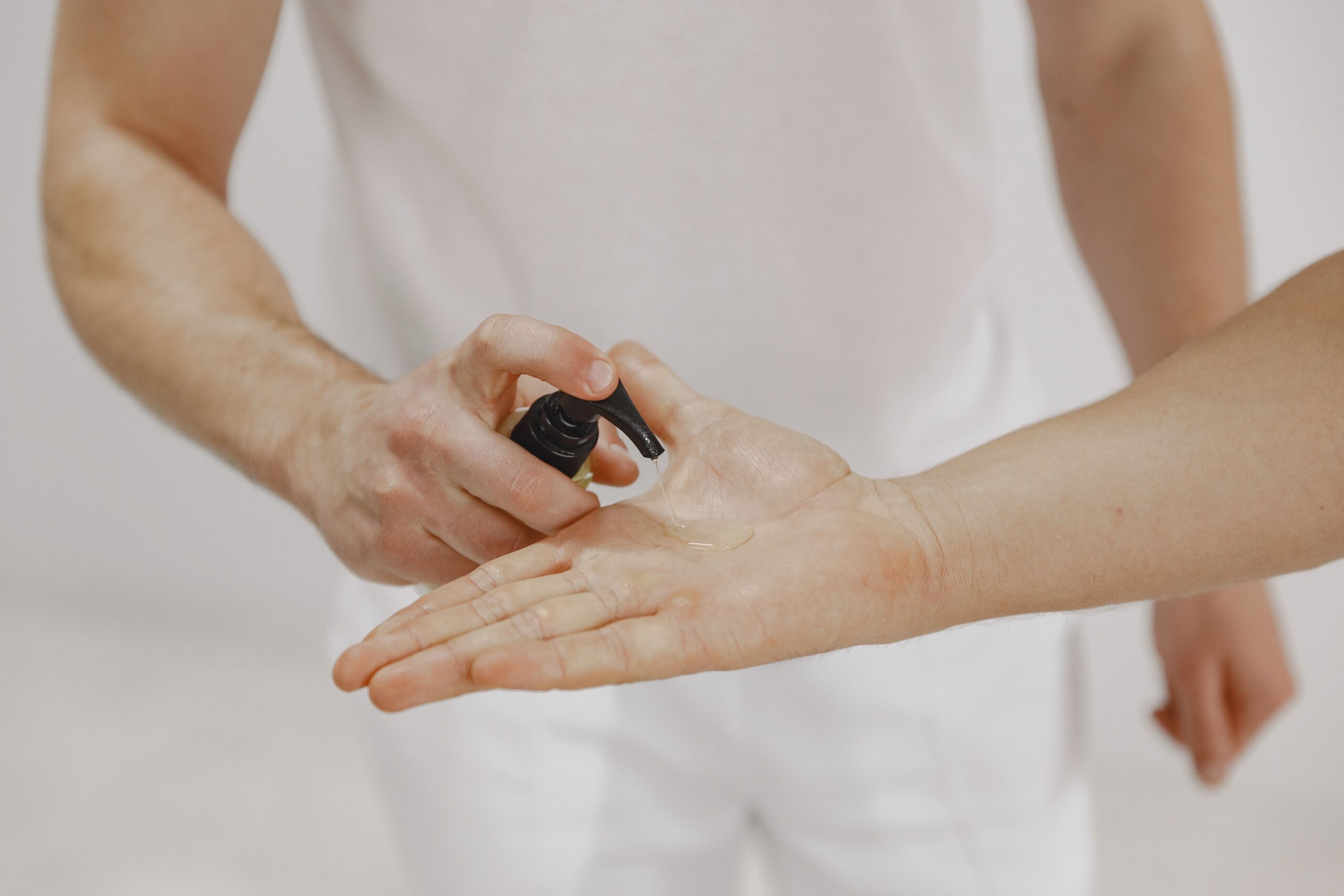
Start with a pea sized amount for a small area like the forearm or side of the neck. Use a little more for larger muscles like the quads, hamstrings, calves, or low back. Rub it in lightly. You do not need deep pressure.
The gel should feel cool within a few minutes. Strong formulas may peak around 10 to 15 minutes. If the sensation feels painful, wash it off with mild soap and cool water.
Step 4: Keep it away from heat
Do not use cooling gel with a heating pad, hot stone treatment, hot bath, sauna, plastic wrap, tight compression wrap, or electric blanket. Heat can intensify the sensation and increase the risk of skin irritation.
This is a common mistake. People apply menthol gel, then add heat because the muscle still feels tight. That combination can create a burning feeling and may irritate the skin. If you want heat therapy, wait until the cooling gel has fully worn off and the skin has been washed.

Step 5: Wash your hands
Always wash your hands after applying cooling gel. Menthol near the eyes, nose, lips, or groin can be extremely uncomfortable. If you apply gel to your hands or fingers for pain relief, avoid touching your face afterward.
For hand stiffness that is more mechanical than muscular, a tool based routine may work better than repeated gel use. See this guide on hand pain relief for a practical massage approach.
Step 6: Combine gel with real recovery habits
Cooling gel works best as one part of a recovery plan. For muscle soreness, pair it with light movement, hydration, sleep, protein intake, and gradual loading. If you train hard, topical relief alone will not rebuild tissue.
Nutrition matters too. If soreness is frequent, review best protein powder for muscle recovery and magnesium for muscle recovery. These support a broader recovery plan while cooling gel handles temporary surface discomfort.
Step 7: Track whether it actually helps
Give the product a fair test. Rate your discomfort before application, 15 minutes after application, and again after movement. If your pain drops from 6 out of 10 to 3 out of 10 and movement feels easier, the gel may be worth keeping.
If the gel does not change your pain, do not keep applying more. Your issue may need stretching, strengthening, rest, physical therapy, or a different pain relief category.
Advanced Analysis and Common Pitfalls
The best cooling gel for muscle pain is not always the strongest gel. It is the product that matches your pain type, skin tolerance, schedule, and recovery goal. Many poor results come from using the wrong product for the wrong problem.
Common mistakes that reduce results
Using it on a serious injury: A cooling gel can make a strained area feel better for a short time, but it will not repair torn fibers. If pain worsens with walking, lifting, running, or reaching, you need a recovery plan. This guide on how to speed up muscle strain recovery explains the bigger picture.
Applying too much: More gel can mean more smell, more residue, and more irritation. It does not always mean more relief. Thin layers are usually enough.
Layering products: Do not stack menthol gel with other rubs, patches, sprays, or medicated creams unless a clinician tells you to. Multiple topical products can irritate skin and make it harder to know what caused a reaction.
Using it before showering: Hot water can reactivate the cooling sensation and make it feel intense. Apply gel after bathing, not right before.
Ignoring skin reactions: Mild cooling is expected. Painful burning, rash, hives, blistering, or swelling is not. Stop use and wash the area if that happens.
Masking poor training recovery: If you need gel every day after the same workout, your training volume, warm up, mobility, or sleep may need attention. Recovery tools can help, but they cannot fix an overloaded routine. Compare options in best muscle recovery tools.
Cooling gel comparison table
| Product type | Best for | Main advantage | Main downside |
|---|---|---|---|
| Menthol cooling gel | Workout soreness, neck tension, mild back tightness | Fast cooling sensation and easy targeted use | Strong scent and possible skin irritation |
| Menthol roll on | Small areas, travel, office use | Less mess and no need to touch gel | Harder to cover large muscles evenly |
| Topical NSAID gel | Some joint pain and inflammation based discomfort | May address inflammatory pain more directly | Not ideal for everyone and label warnings matter |
| Ice pack | Recent swelling or acute soreness | Actual cold exposure to the area | Less convenient and can be overdone |
| TENS therapy | Recurring localized pain patterns | Non drug option for some users | Requires correct pad placement and equipment |
If you use electrotherapy as part of pain management, correct pads and skin contact matter. This guide to best TENS pads explains comfort, adhesion, and placement habits.
Who should be careful with cooling gels?
Be cautious if you have very sensitive skin, allergies to menthol or fragrance, eczema, neuropathy, poor circulation, diabetes related skin changes, or reduced sensation in the area. If you cannot feel heat, cold, or irritation normally, topical analgesics can be risky because you may not notice a reaction early.
Pregnant people, older adults, and anyone taking blood thinning medication should read labels carefully and ask a clinician before using medicated topical products, especially formulas that include salicylates. The FDA safety information on NSAIDs is useful if you are comparing topical NSAID gels with menthol based cooling products.
When cooling gel is not enough
Seek medical advice if pain is severe, lasts more than several days without improvement, follows a fall, includes swelling or bruising, causes weakness, or limits normal walking, lifting, or sleep. Also get help for numbness, tingling, fever, redness that spreads, or pain that radiates down an arm or leg.
For general pain education, the National Library of Medicine overview on pain explains why pain can come from different tissue and nervous system sources. This is why one topical product cannot solve every pain pattern.
Cooling gel is most useful when the problem is mild, localized, and temporary. If your soreness keeps returning in the same place, look beyond the gel. Check your movement pattern, workload, footwear, sleep, training plan, and strength balance.
Final Verdict
Cooling gel can be a smart, low effort option for sore muscles, but it should be used with clear expectations. It helps you feel better for a while. It does not rebuild tissue, correct posture, erase poor sleep, or replace rehab for a true strain.
Choose a gel with a clear active ingredient, start with a small amount, avoid heat, and track your response. If you get reliable relief without skin irritation, it can become a useful part of your recovery routine.
If you want the best cooling gel for muscle pain, focus less on the loudest label and more on fit, safety, and consistency. Pick one quality product, test it properly, and pair it with real recovery habits. Start by reviewing your pain type today, then choose the gel format that matches how and where you will actually use it.
Frequently Asked Questions
What is the best cooling gel for muscle pain?
The best cooling gel for muscle pain is usually a menthol based formula that activates quickly, dries cleanly, and does not irritate your skin. Choose a product with a clear active ingredient and avoid formulas that rely on vague claims.
Can I use cooling gel every day?
Many people use cooling gel daily for short periods, but you should follow the label. If you need it every day for the same pain, look for the cause rather than increasing use. Ongoing pain may need mobility work, strength training, rest, or medical evaluation.
Is cooling gel better than ice for muscle pain?
Cooling gel is more convenient for mild soreness and tightness. Ice is usually better when there is fresh swelling or a recent injury. Gel creates a cooling sensation, while ice lowers tissue temperature more directly.
Can I use cooling gel with a heating pad?
No. Do not combine cooling gel with a heating pad, sauna, hot bath, or tight wrap. Heat can intensify the topical ingredients and may cause burning or skin irritation.
When should I stop using cooling gel?
Stop using cooling gel if you develop a rash, painful burning, swelling, blistering, or worsening pain. You should also stop relying on it if pain is sharp, spreading, associated with weakness, or not improving after several days.