

### Blog Post:
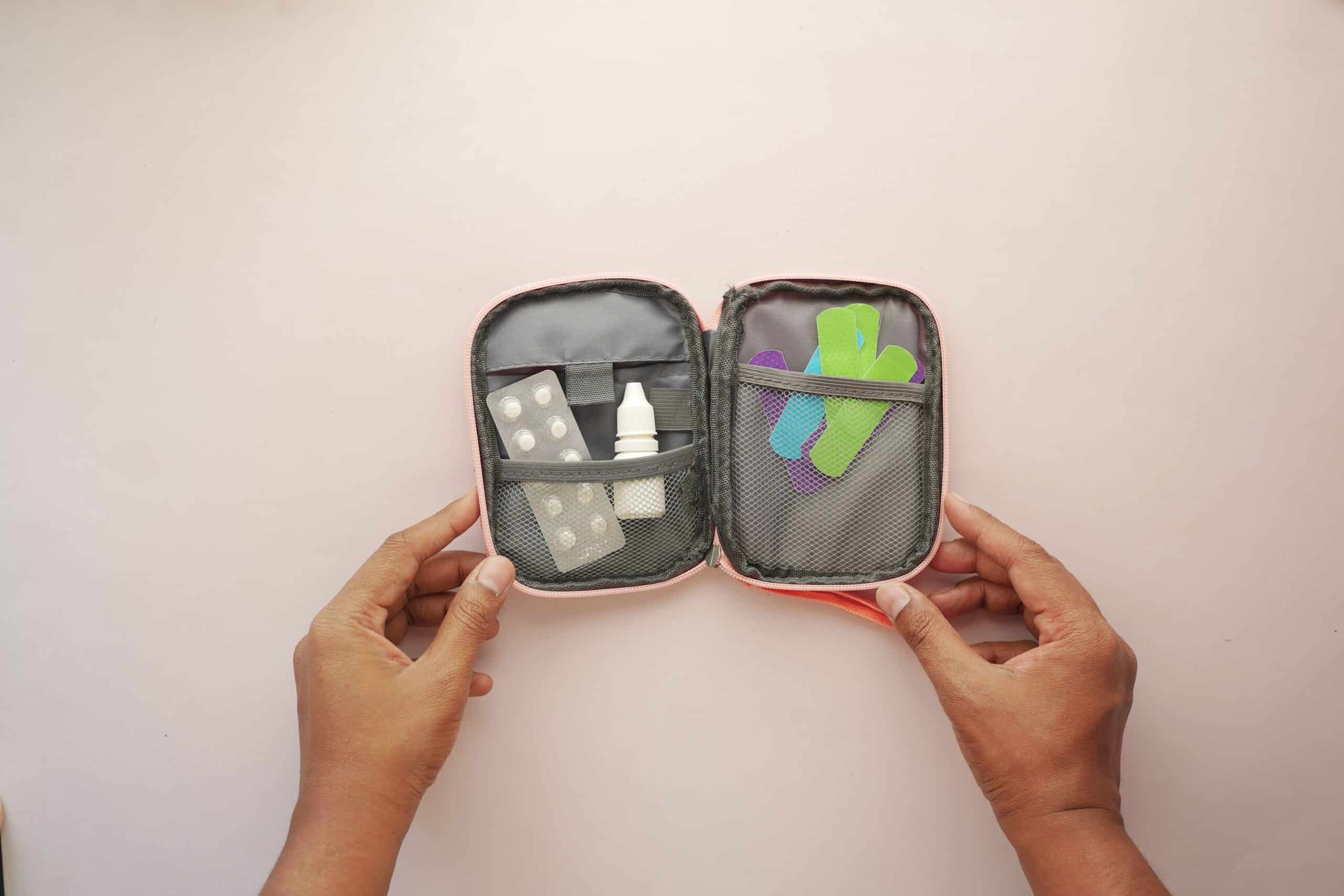
tens unit vs storage containers is not really a battle between a pain relief device and a plastic box, it is a practical question about whether your TENS machine, pads, leads, and gel electrodes should live in a dedicated organizer or a random household container.
If you use a TENS unit regularly, storage affects more than neatness. Poor storage can dry out electrode pads, tangle lead wires, contaminate adhesive gel, crack cable ends, and make your next pain relief session slower than it should be. A good setup keeps everything clean, flat, easy to find, and ready to use.
This guide explains how to choose between a dedicated TENS holder, a generic storage container, and a simple hybrid setup. You will also learn how to store pads safely, protect wires, avoid common mistakes, and build a realistic system that works at home, at work, or while traveling.
Key Takeaways
- dedicated TENS holder is best for reusable electrode pads because it keeps them flat, clean, and easy to reuse.
- Generic storage containers work well for the main TENS unit, charger, manuals, and backup accessories, but they can damage sticky pads if used carelessly.
- The best setup for most people is a small TENS pad holder plus a clean storage box for the device, wires, batteries, and extras.
- The Core Concept: What TENS Storage Actually Needs To Do
- Step By Step Guide: How To Store A TENS Unit The Right Way
- Advanced Analysis And Common Pitfalls
- Conclusion
- FAQ
The Core Concept: What TENS Storage Actually Needs To Do
A TENS unit, short for transcutaneous electrical nerve stimulation, sends mild electrical impulses through adhesive pads placed on the skin. Many people use it for back pain, muscle soreness, joint discomfort, and recovery support. The unit itself is usually durable, but the accessories are not. Pads, gel surfaces, wires, clips, and charging ports need more care than most users expect.
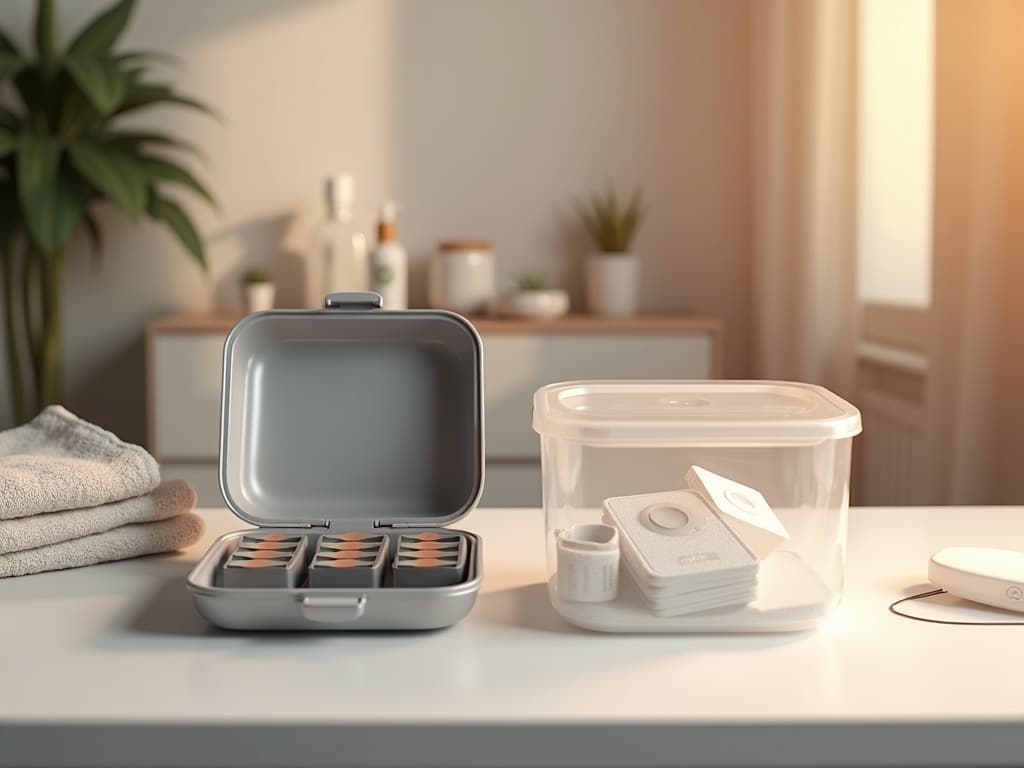
The main job of storage is simple: protect the parts that make therapy reliable. Reusable electrode pads need to stay clean and slightly moist. Lead wires need to stay untwisted. The main device should stay away from water, lint, dust, extreme heat, and crushing pressure. If any of these fail, the session can feel weaker, uneven, itchy, or unreliable.
That is why the comparison between a TENS unit storage holder and a regular storage container matters. A regular box can hold everything, but it does not automatically protect adhesive gel. A dedicated holder can protect pads very well, but it may not have space for the full kit. The right answer depends on how often you use your device and where you use it.
If you only use TENS therapy once in a while, a clean lidded container may be enough. If you use it several times per week, especially for recurring pain, a dedicated pad holder becomes more useful. It saves time, reduces waste, and helps you avoid replacing pads sooner than needed. If you are unsure whether your pads are still performing well, read this guide to the best TENS pads for comfort, adhesive quality, and replacement timing.
Basic safety also matters. The Cleveland Clinic overview of TENS therapy explains that TENS is generally used for pain control, but it is not appropriate for every person or every body area. If you have a pacemaker, implanted electrical device, pregnancy concerns, epilepsy, or unexplained pain, ask a qualified clinician before using or changing your TENS routine.
Dedicated TENS holder: Best For Pads
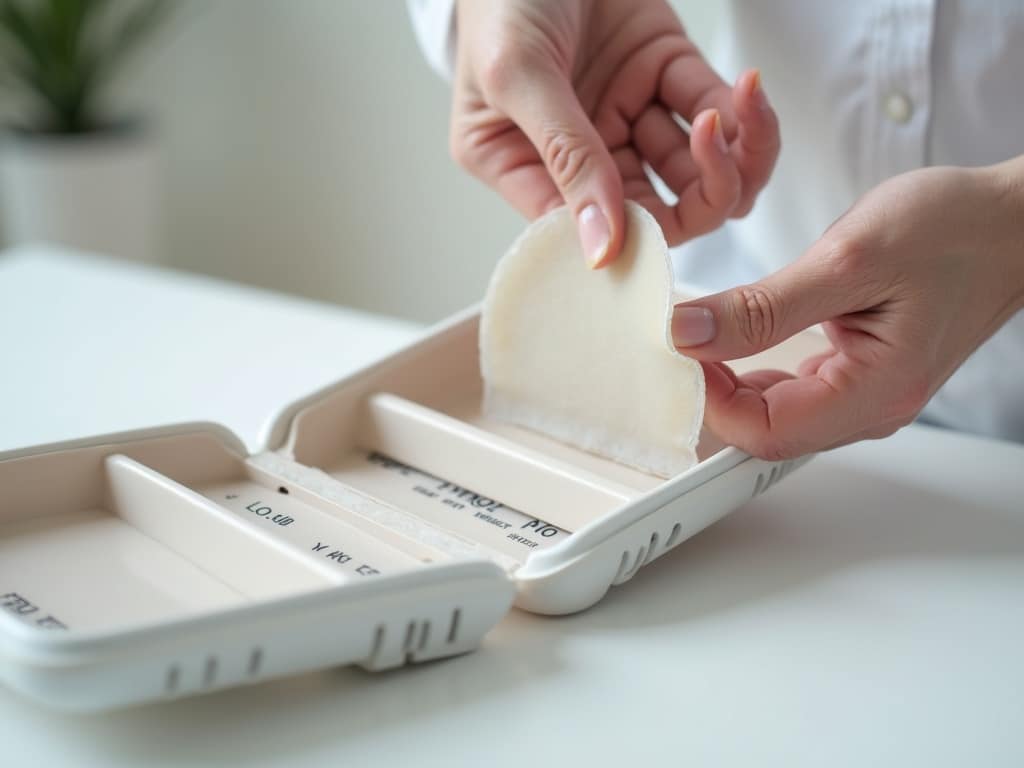
A dedicated TENS holder is usually a flat card, compact case, or pad board designed to hold reusable electrodes between sessions. The goal is to keep the gel side protected without folding or contaminating it. Some models are sized for four standard square pads, while others can hold larger rectangular pads used for the back or thighs.
This type of holder shines when you use the same pads repeatedly. It helps preserve the adhesive layer, keeps pads from sticking to random plastic, and reduces lint transfer from towels, clothes, or bags. For a deeper look at this accessory, see this practical guide on how to use a TENS holder safely.
Storage Containers: Best For The Full Kit
A regular storage container is useful because a TENS setup includes more than pads. You may have the unit, charging cable, lead wires, replacement electrodes, alcohol wipes, instruction booklet, spare batteries, belt clip, travel pouch, and topical pain products. A container keeps these items together so you do not waste time searching before every session.
The problem is that many people toss everything into one plastic box. That is where damage starts. Pads stick to cables, cables bend sharply, gel surfaces pick up dust, and small parts disappear under the unit. A storage container can work very well, but only if you divide it into zones.
Step By Step Guide: How To Store A TENS Unit The Right Way
The best TENS storage system is clean, simple, and repeatable. You do not need an expensive medical case. You need a system that protects pads, prevents wire damage, and makes setup easy enough that you will actually use it.
Step 1: Separate The Pads From Everything Else
Never store sticky electrode pads loose inside a container. The gel layer attracts lint, skin oil, dust, pet hair, and fabric fibers. Once contaminated, pads lose contact quality and may feel prickly during use.
After each session, place the pads back on their original plastic liner or onto a dedicated pad holder. Keep the gel side flat. Do not press pads together gel to gel unless the product instructions clearly say it is safe. Most reusable pads last longer when returned to a clean liner and stored flat.
Step 2: Coil each wire loosely
Lead wires are one of the most abused parts of a TENS kit. Sharp bends near the plug can weaken the internal wire. Tight wrapping around the device can also create stress at the connector. When a lead wire starts failing, stimulation may cut in and out or feel uneven.
Coil each wire loosely into a circle about the size of your palm. Use a soft twist tie, silicone cable strap, or small fabric band. Avoid rubber bands because they can become sticky over time and leave residue.
Step 3: Use A small divided storage container With Compartments
A clear container with dividers is better than a deep open box. Compartments keep the device, wires, charger, and spare pads from rubbing together. A shallow box also makes it easier to see what is missing before you leave home.
For most users, the ideal container has room for the TENS unit, lead wires, charger or batteries, pad holder, instruction card, and one backup set of electrodes. If you use your TENS device alongside other recovery tools, keep those in a separate space. For example, this guide to the best muscle recovery tools can help you decide what belongs in your recovery kit and what should stay separate.
Step 4: Keep Storage Cool, Dry, And Away From Sunlight
Heat can dry electrode gel and shorten pad life. Moisture can damage the device or create a poor environment for adhesive pads. Direct sunlight can also degrade plastic and gel surfaces. A bathroom cabinet is not ideal because humidity changes often.
Choose a bedroom drawer, closet shelf, nightstand, work desk drawer, or gym bag pocket that stays dry. If you travel, use a Travel hard case instead of tossing the unit into a soft bag where it can be crushed.
Step 5: Create A Quick Cleaning Habit
Good storage starts before the device goes back into the box. Turn the unit off before removing pads. Disconnect leads gently by holding the connector, not yanking the wire. Check pads for hair, lint, and dry edges. Wipe the device body with a dry cloth if needed.
Do not soak the unit. Do not wash lead wire plugs. Do not apply alcohol directly to gel pads unless the pad manufacturer allows it. If your skin is oily after lotion or topical gel use, clean the skin before the next session because residue can reduce pad adhesion. If you often combine topical products with pain relief routines, compare safe options in this guide to the best cooling gel for muscle pain.
Step 6: Store A Safety Card With The Device
A simple safety card prevents mistakes, especially if more than one person in your household uses the device. Write down your usual settings, common pad placements, body areas to avoid, and warning notes from your clinician or the device manual.
The NHS guide to TENS notes that pads should not be placed on certain areas, including the front or sides of the neck, temples, mouth, eyes, chest and upper back at the same time, irritated skin, numb areas, or varicose veins. A reminder card can stop rushed decisions.
Step 7: Review Pads And Cables Monthly
Once a month, inspect your kit. Replace pads that no longer stick well, have curled edges, feel dry, or cause uneven stimulation. Replace wires that crack, expose metal, or cause intermittent current. Check the charging cable and battery area for corrosion or looseness.
If you use a rechargeable device, charge it according to the manufacturer instructions. If you are considering a newer model, this TENS Unit 7000 Rechargeable review explains what to look for in output, channels, portability, and battery performance.
Advanced Analysis And Common Pitfalls
The biggest storage mistakes usually come from convenience. People want to finish a session quickly, so they peel off pads, toss wires into a drawer, and close the lid. That works once or twice. Over time, it creates weak adhesion, inconsistent stimulation, messy cables, and unnecessary replacement costs.
Dedicated Holder Vs Generic Container
Here is the practical comparison. For many users, the winner is not one or the other. It is both, used for different jobs.
| Storage Option | Best For | Main Advantage | Main Downside | Best User Type |
|---|---|---|---|---|
| Dedicated TENS pad holder | Reusable electrodes | Keeps pads flat, clean, and easy to reuse | Usually does not hold the full device kit | Frequent TENS users who reuse pads often |
| Small divided storage container | Device, wires, charger, backup supplies | Keeps the full kit together in one place | Pads can get damaged if stored loose | Home users who want simple organization |
| Travel hard case | Portable use | Protects the device from crushing in bags | May be bulky for daily pockets | Travelers, office workers, gym users |
| Original product box | Short term storage | Free and already sized for the unit | Cardboard absorbs moisture and wears out | Occasional users |
| Loose drawer storage | Almost nothing | Fast in the moment | High risk of lint, tangles, lost parts, and pad damage | Not recommended |
Pitfall 1: Storing Pads In A Hot Car
A hot car can dry electrode gel quickly. Pads may curl, lose stickiness, or feel harsh on the skin. If you need TENS therapy after work or training, carry the pads in a small case inside your bag instead of leaving them in the vehicle.
Pitfall 2: Mixing TENS Pads With Creams Or Gels
Topical products can leave residue that interferes with electrode adhesion. They can also irritate the skin when combined with electrical stimulation. Never place pads over fresh menthol gel, oily balm, or lotion unless your clinician and product instructions say it is safe.
If pain is related to a muscle strain, storage is only one part of the recovery process. You may also need rest, gradual movement, hydration, and smart loading. This guide on how to speed up muscle strain recovery explains how to support healing without rushing back too soon.
Pitfall 3: Using One Pad Set Forever
Reusable does not mean permanent. Pads wear out. When they lose adhesion, the current may concentrate in smaller areas, which can feel sharp or uncomfortable. Weak pads can also make users increase intensity higher than needed. Replace pads when they no longer stick evenly or when stimulation feels inconsistent.
Pitfall 4: Wrapping Wires Around The Unit
This looks tidy, but it can damage the wire near the plug. A broken lead wire may not be obvious from the outside. If stimulation cuts out when you move, the wire may be failing. Store wires in loose loops instead.
Pitfall 5: Ignoring Manufacturer Instructions
TENS devices are not all identical. Pad care, battery guidance, cleaning instructions, and approved accessories can vary. The U.S. Food and Drug Administration medical device resources are a useful starting point for understanding why instructions and labeling matter for electrical health devices.
Pitfall 6: Treating TENS Like A Cure
A TENS unit may help manage pain, but it does not repair tissue by itself. If you have swelling, weakness, numbness, worsening pain, fever, unexplained symptoms, or pain after a serious injury, get medical advice. TENS can be part of a pain management plan, not a replacement for diagnosis.
For injury timelines, especially if you are dealing with muscle damage rather than general soreness, read this guide on muscle tear recovery time. It explains why recovery varies by severity and why pain relief should not be confused with full tissue healing.
When A Storage Container Is Enough
A regular storage container is enough if you use TENS therapy occasionally, keep pads on clean liners, store the container indoors, and do not travel with the device often. Choose a shallow lidded box with compartments. Avoid oversized bins because small parts get buried.
When A Dedicated TENS Holder Is Worth It
A dedicated holder is worth it if you use the same electrode pads several times per week, carry pads to work, travel with your kit, or regularly find lint on your pads. It is also useful if you use larger back pads that bend easily in small containers.
Best Hybrid Setup For Most People
The most reliable setup is simple. Use a dedicated pad holder for electrodes. Place that holder inside a small divided container with the device, wires, charger, and backup pads. Add a small instruction card. Store the box in a dry indoor drawer.
This approach protects the delicate parts without making the system complicated. It also reduces the chance that you skip therapy because the kit is messy or incomplete.
For broader pain relief routines, TENS can pair with gentle mobility, heat, cold therapy, and massage tools when appropriate. If you deal with recurring back discomfort, this guide to a back massager may help you compare non drug options that fit your routine.
The Physiopedia overview of transcutaneous electrical nerve stimulation gives additional clinical context on how TENS is used, although individual settings and placement should still follow your device manual or professional guidance.
Conclusion
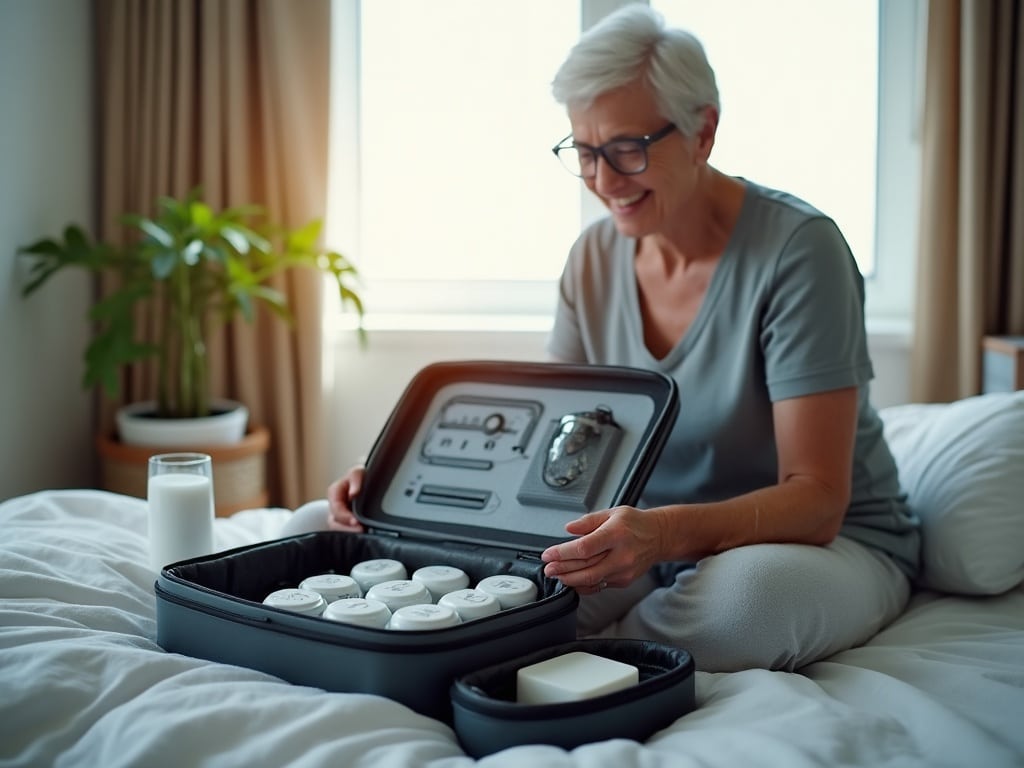
A TENS unit does not need fancy storage, but it does need thoughtful storage. The pads should stay flat and clean. The wires should stay loose and protected. The device should stay dry, cool, and easy to find. A random plastic box can work for the main kit, but it is not ideal for loose adhesive pads.
For most people, the best answer is a hybrid system: a dedicated TENS pad holder inside a small divided storage container. This keeps the full kit organized while protecting the parts most likely to fail.
If you are deciding between tens unit vs storage containers, choose based on how often you use your device, how many pads you manage, and whether you travel with it. Start by cleaning your current kit today, separate the pads from the wires, and set up a storage system you can repeat after every session.
FAQ
Can I store TENS pads in a regular plastic container?
Yes, but do not place the sticky gel side directly against the container. Put pads back on their original liner or on a dedicated pad holder first. Then place them inside the container with the rest of the kit.
Is a TENS holder better than a storage box?
A TENS holder is better for electrode pads. A storage box is better for the full device kit. Most users get the best result by using both together.
How do I know when TENS pads need replacing?
Replace pads when they lose stickiness, curl at the edges, feel dry, collect lint, or cause uneven stimulation. If you need to keep raising the intensity to feel the same effect, worn pads may be part of the problem.
Can I leave my TENS unit in a gym bag?
You can carry it in a gym bag if it is inside a protective case. Do not leave it loose with clothes, bottles, keys, or towels. Moisture, lint, and impact can damage pads and accessories.
Should I clean TENS pads before storing them?
Follow the pad manufacturer instructions. In general, remove visible debris carefully and place pads back on a clean liner. Do not soak gel pads or wipe them with alcohol unless the instructions say it is safe.